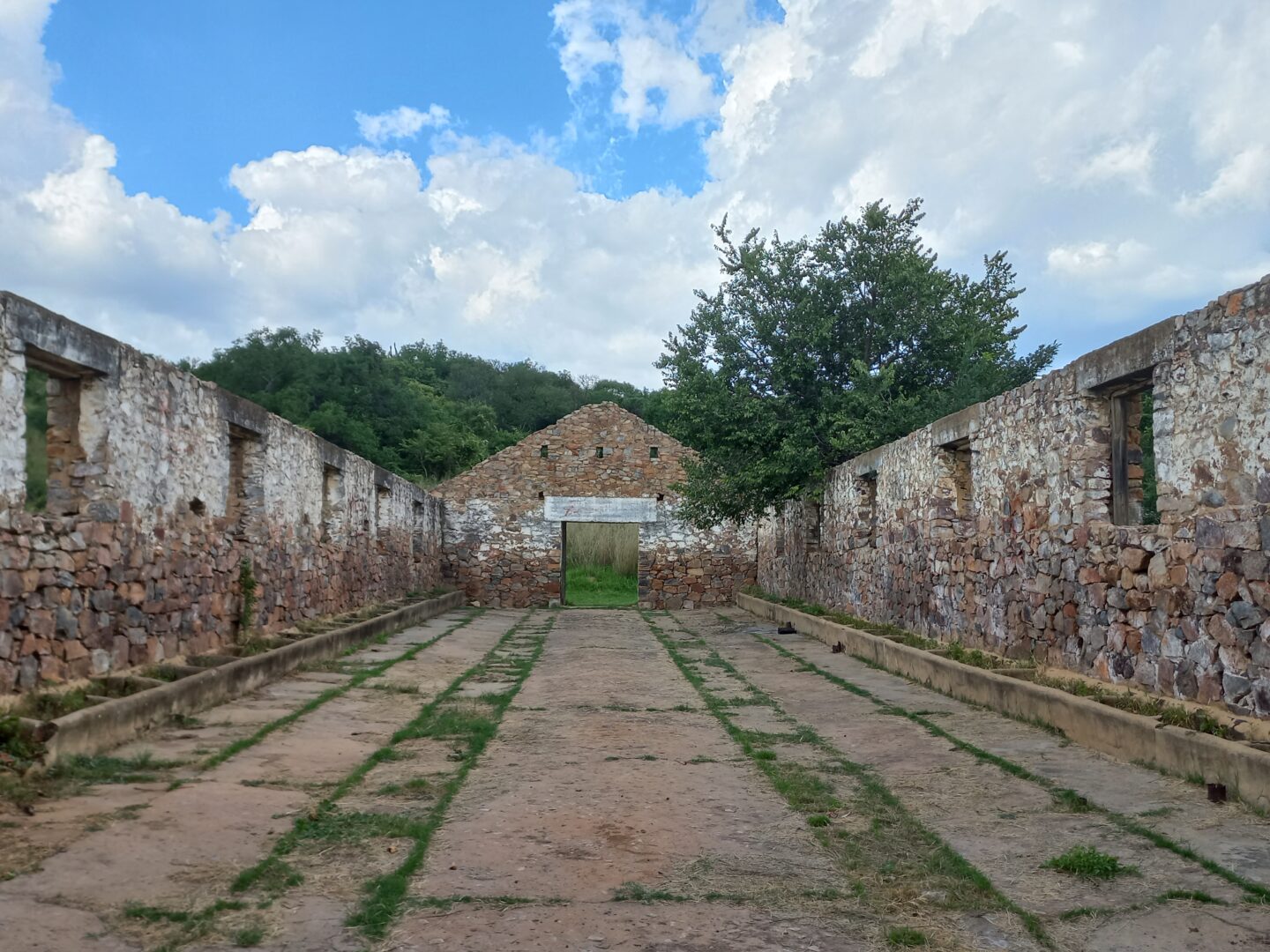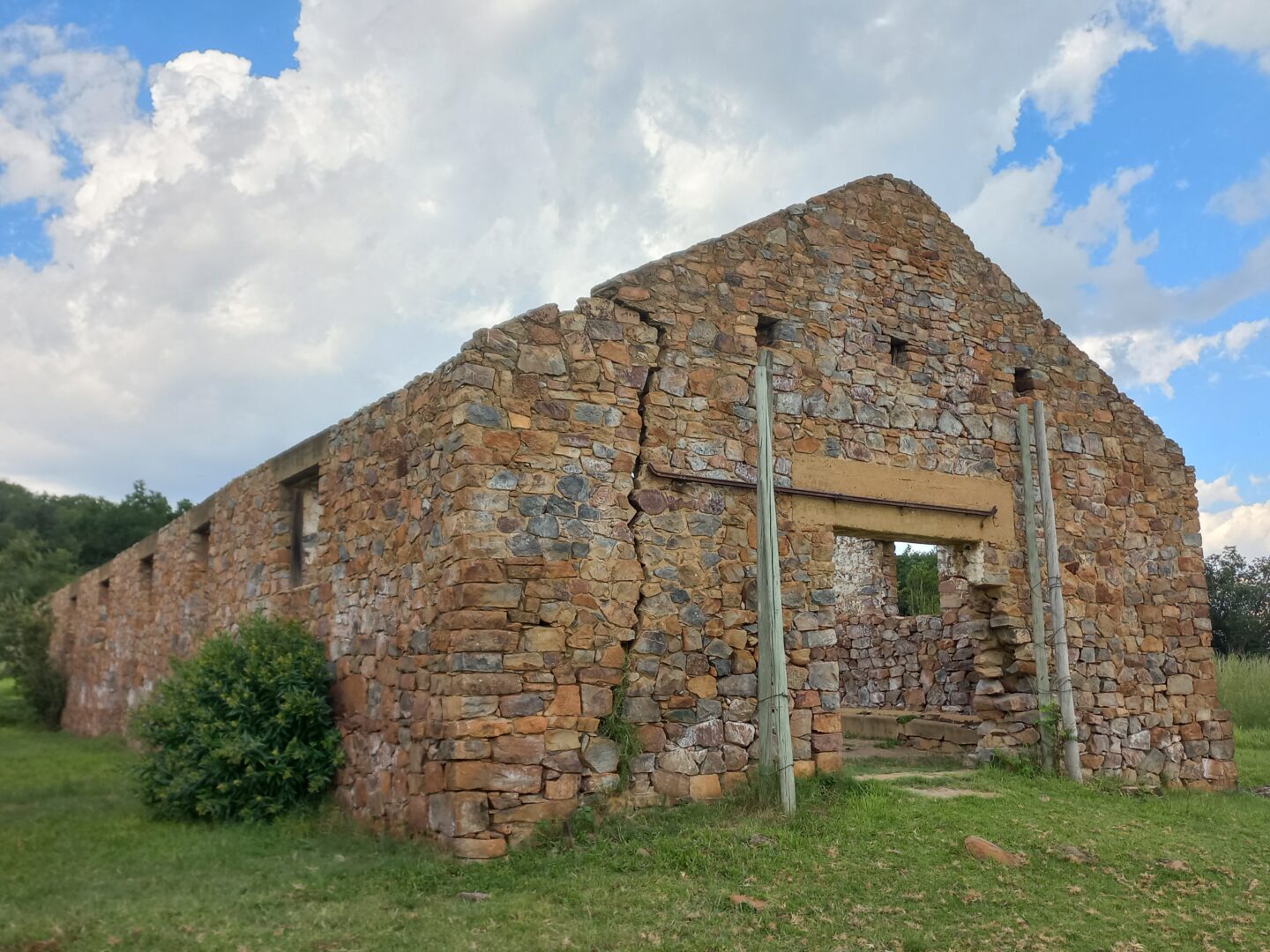
Klipriviersberg Nature Reserve covers six hundred hectares of wilderness. It is situated approximately 10km south of the Johannesburg CBD. The Reserve is situated in the s outhern p art of Johannesburg and bounded by Alan M anor, Mondeor, Winchester Hills, Glenvista and other suburbs. It cuts across the Kibler Park suburb.
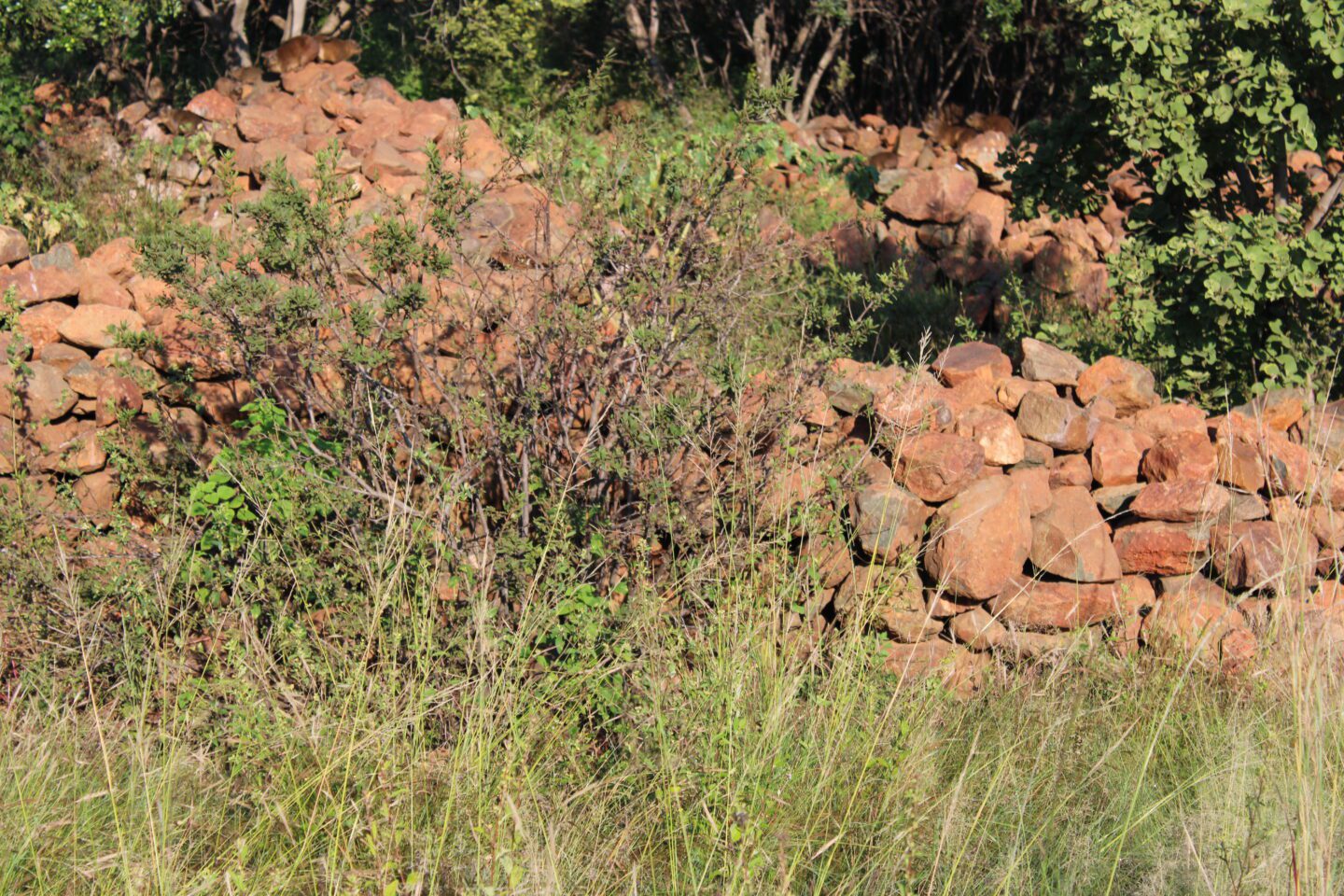
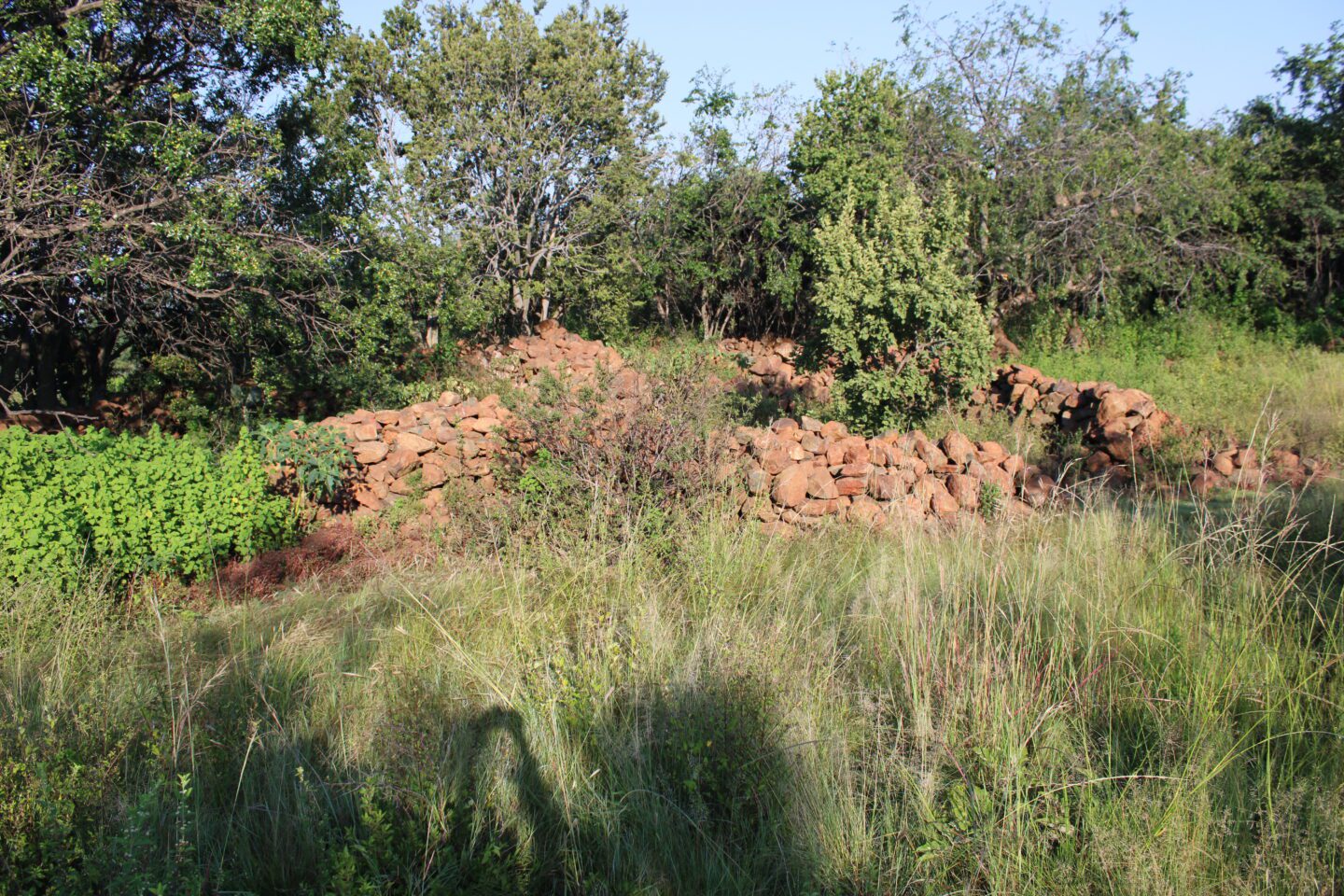
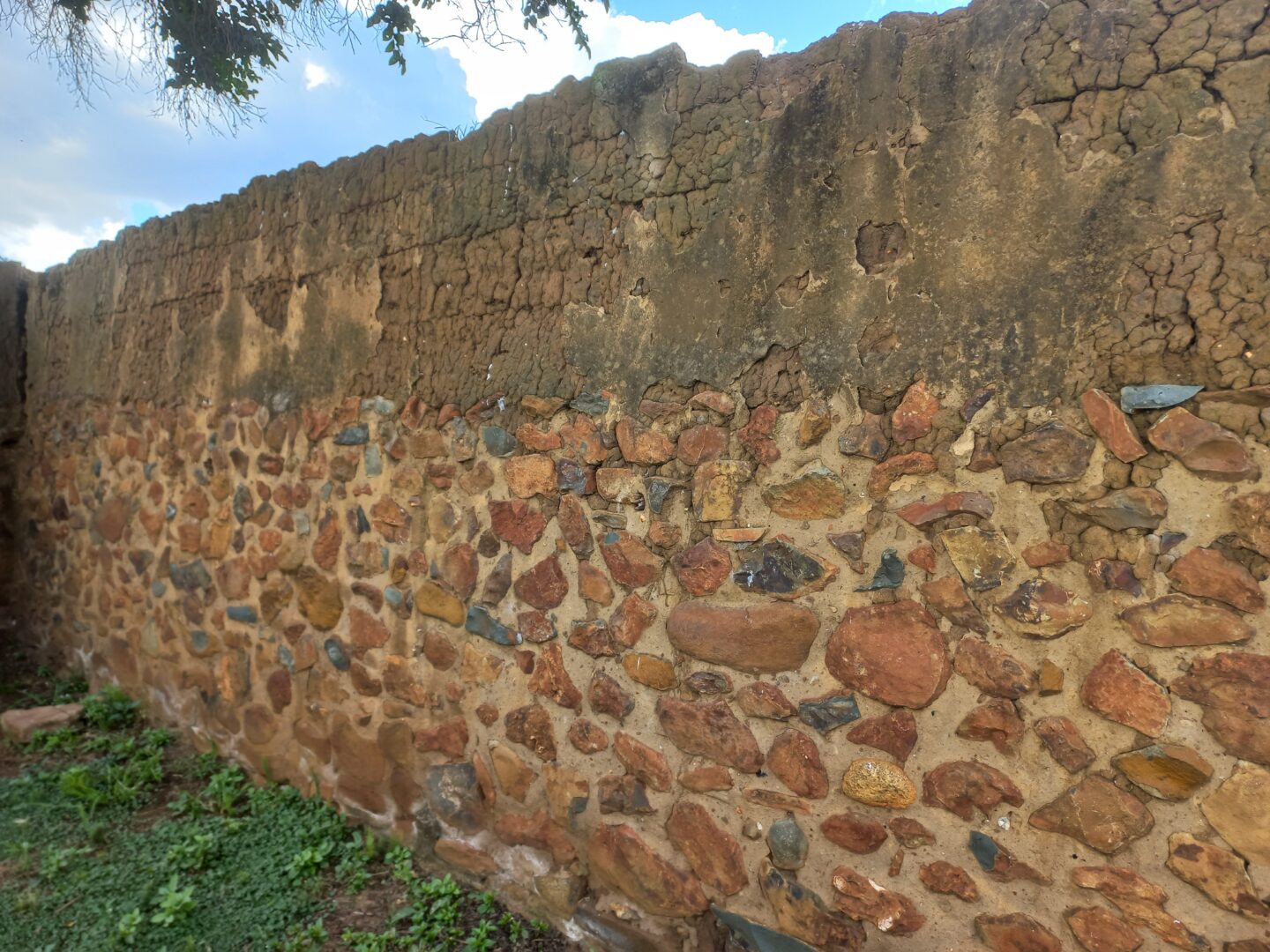
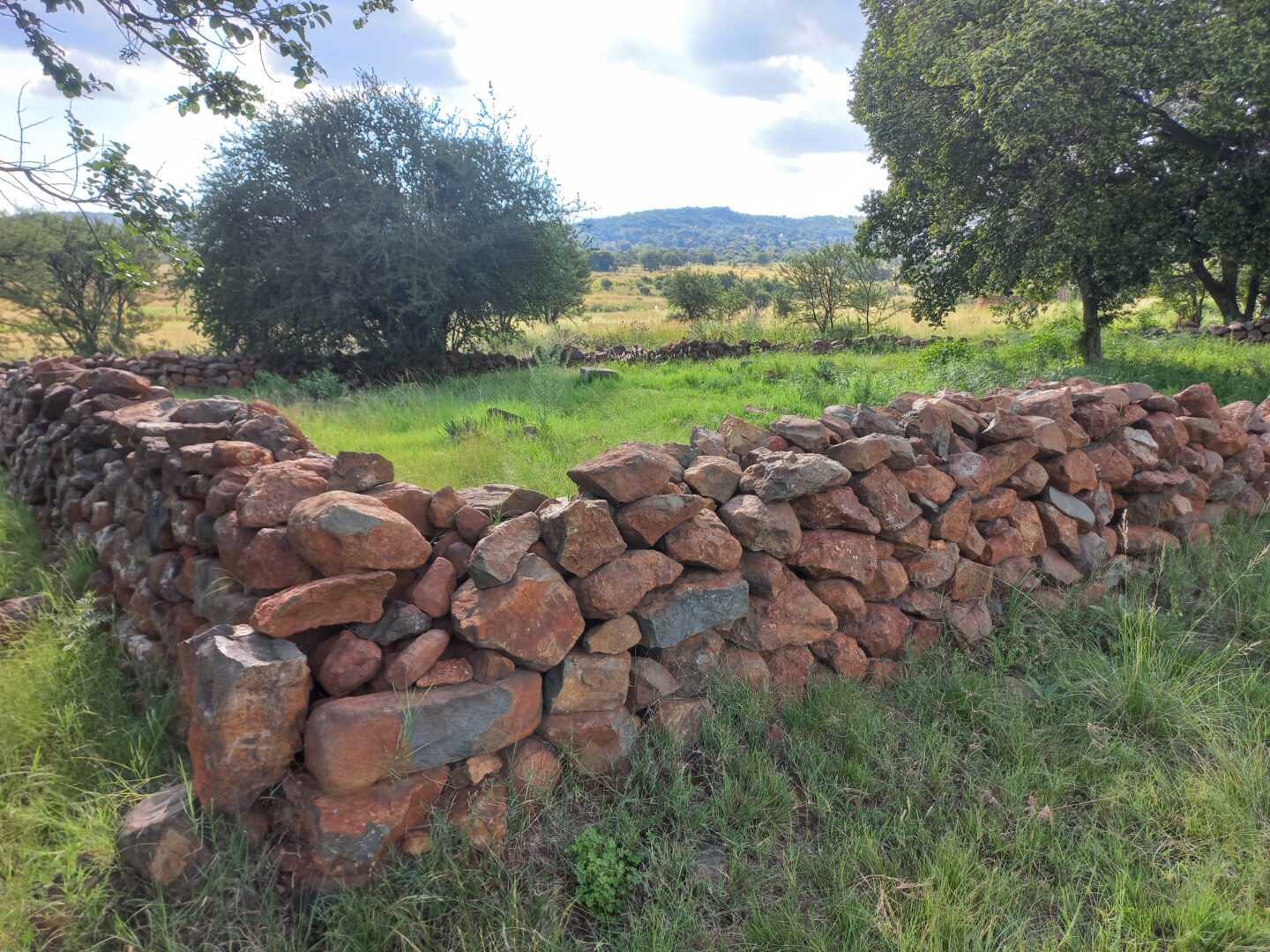
The first Tswana settlers on the Witwatersrand left numerous stonewalled sites on the top of the hills in the park. These sites range from as early as AD 1500 through to the Iron Age. Large game has been re- introduced, with such species as the black wildebeest, reebuck, blesbuck and zebra now roaming freely inside the reserve. There are also 200 different species of plants, mostly indigenous.
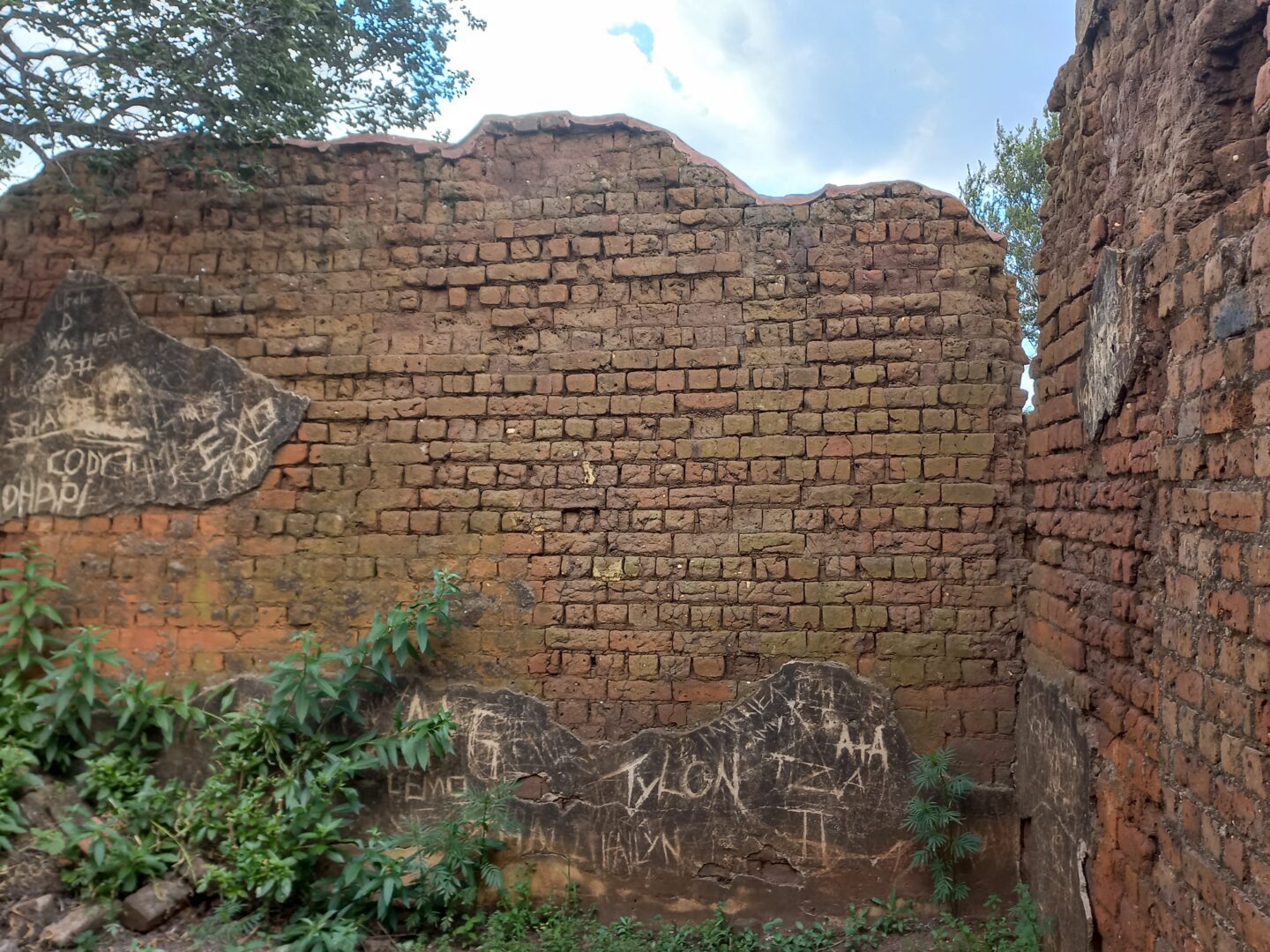
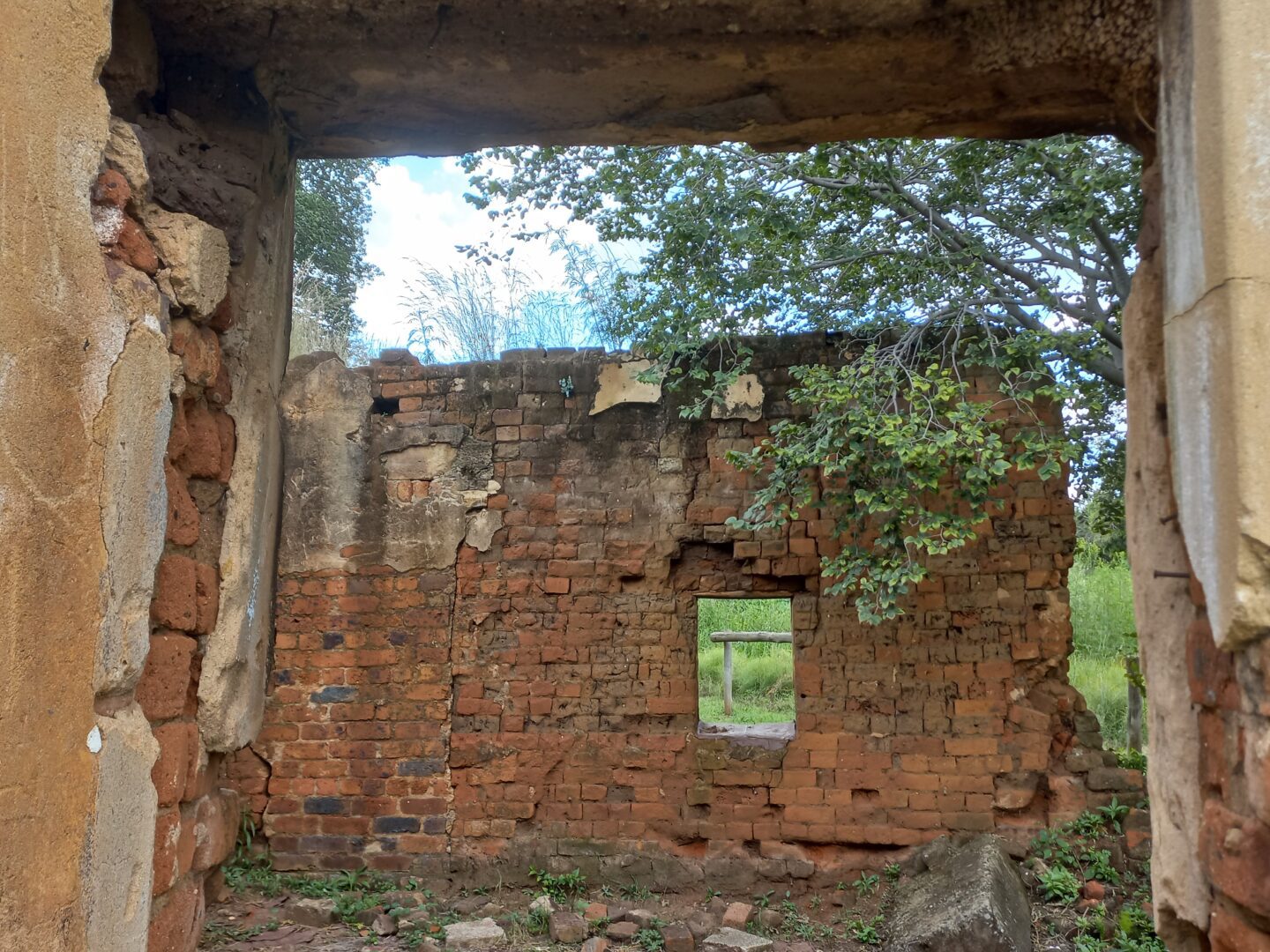
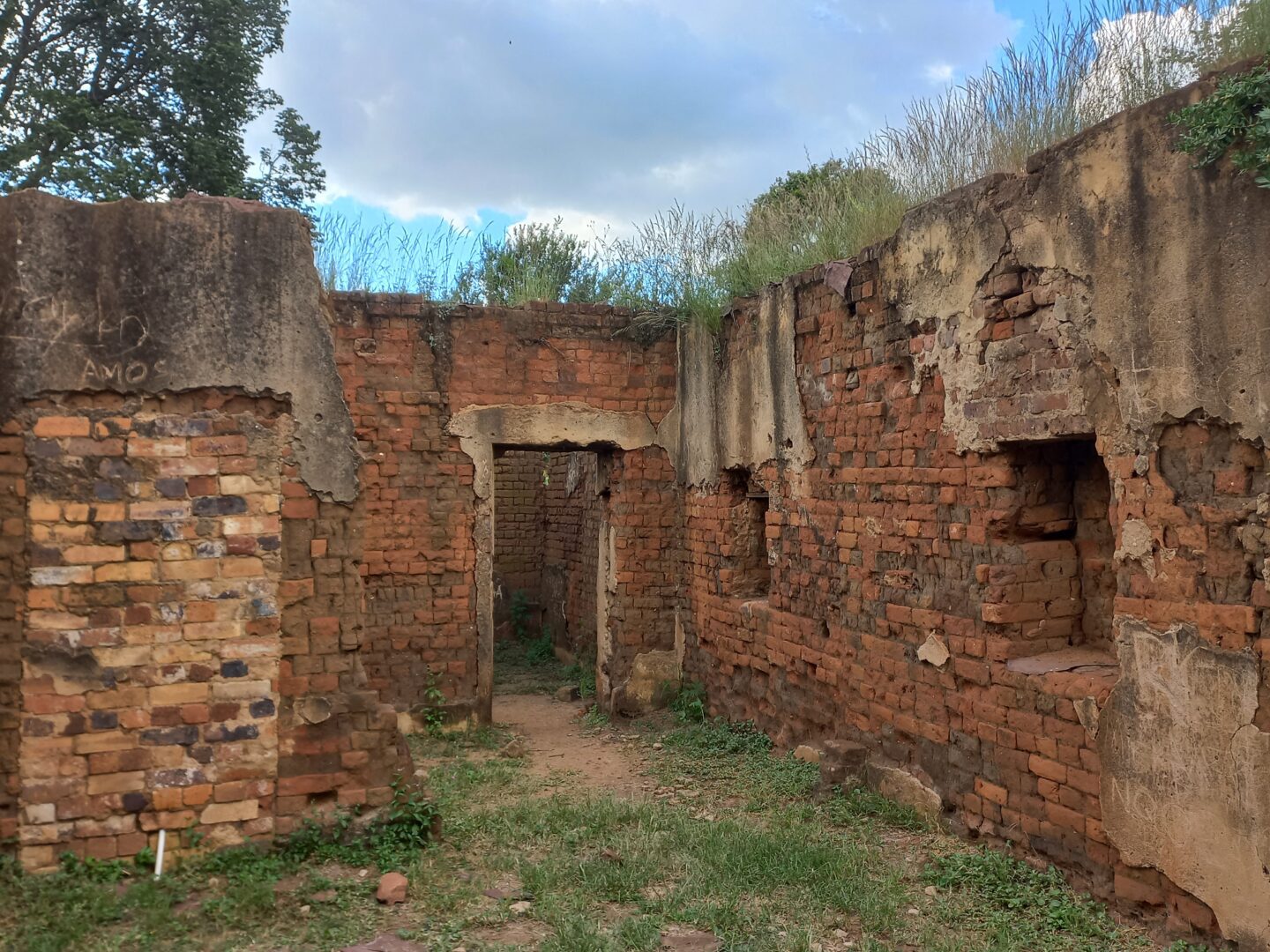
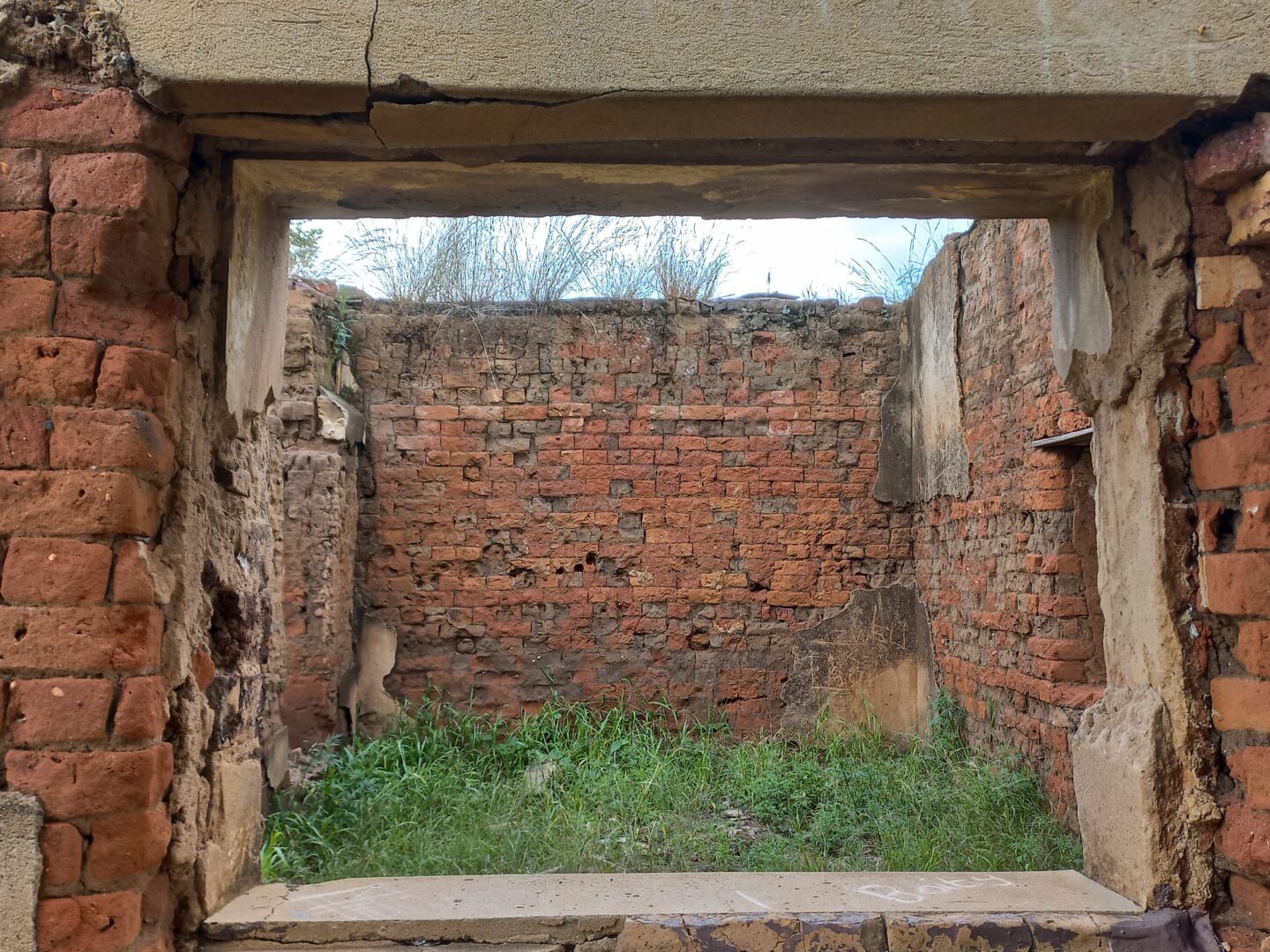
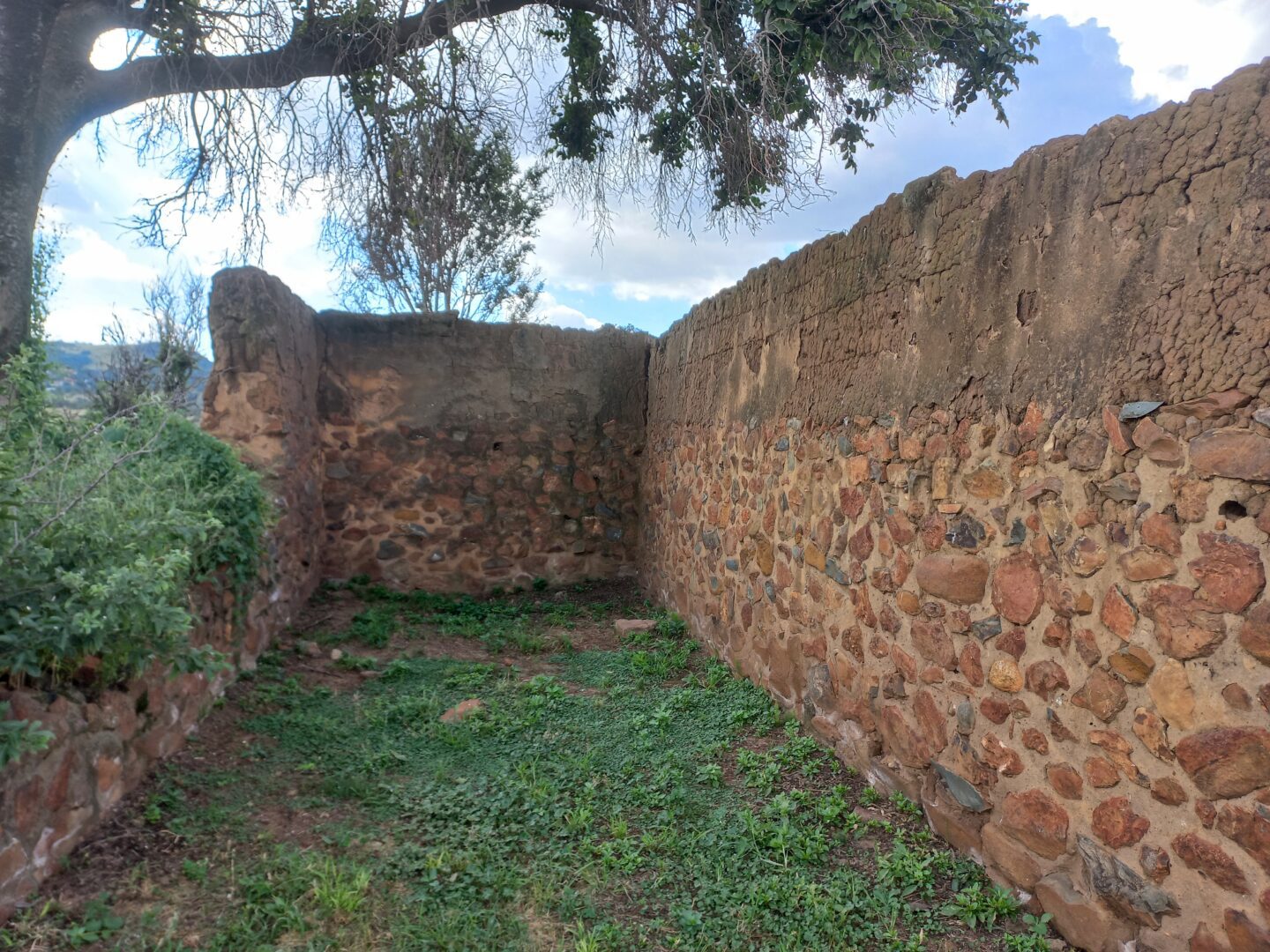
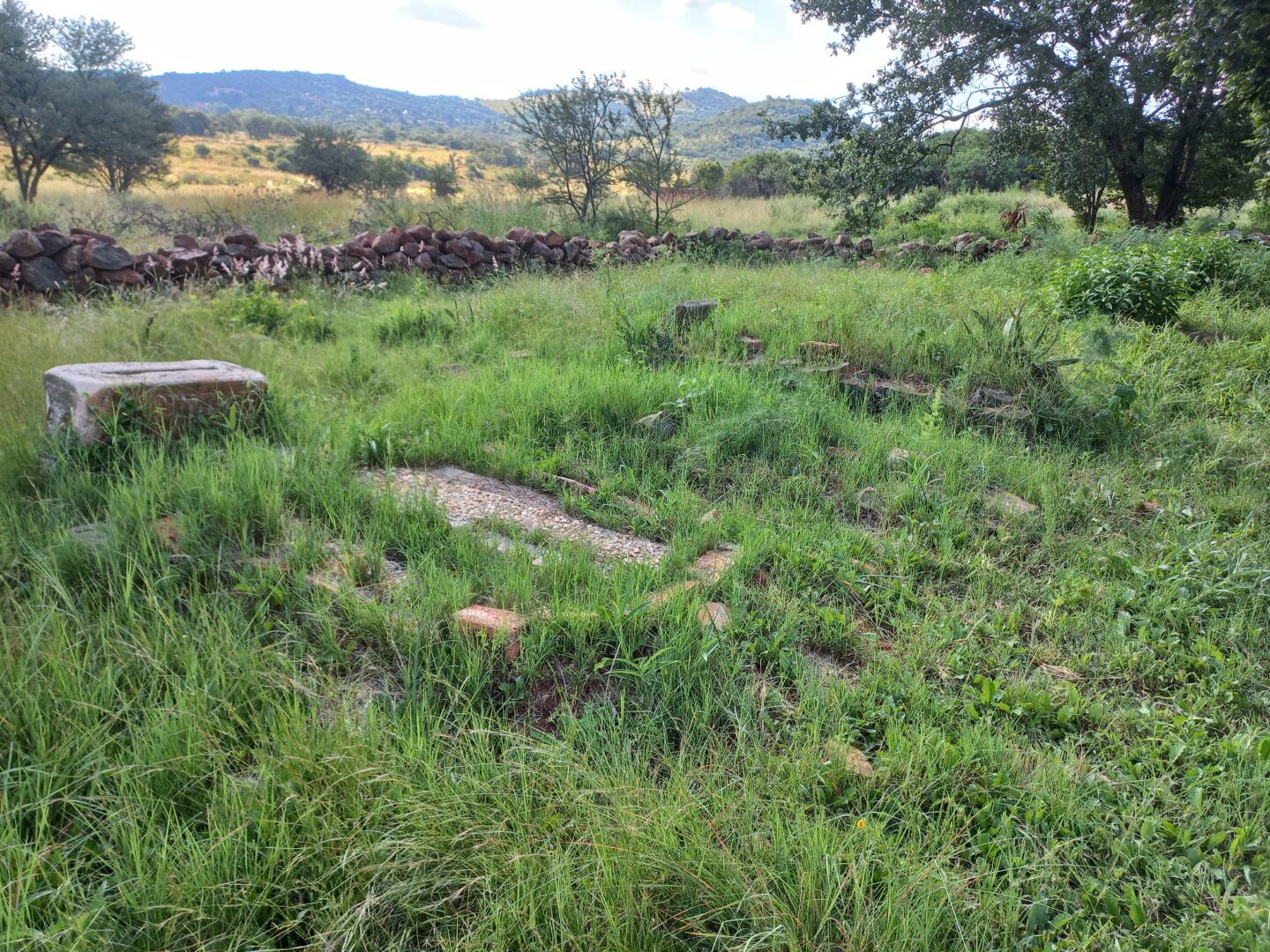
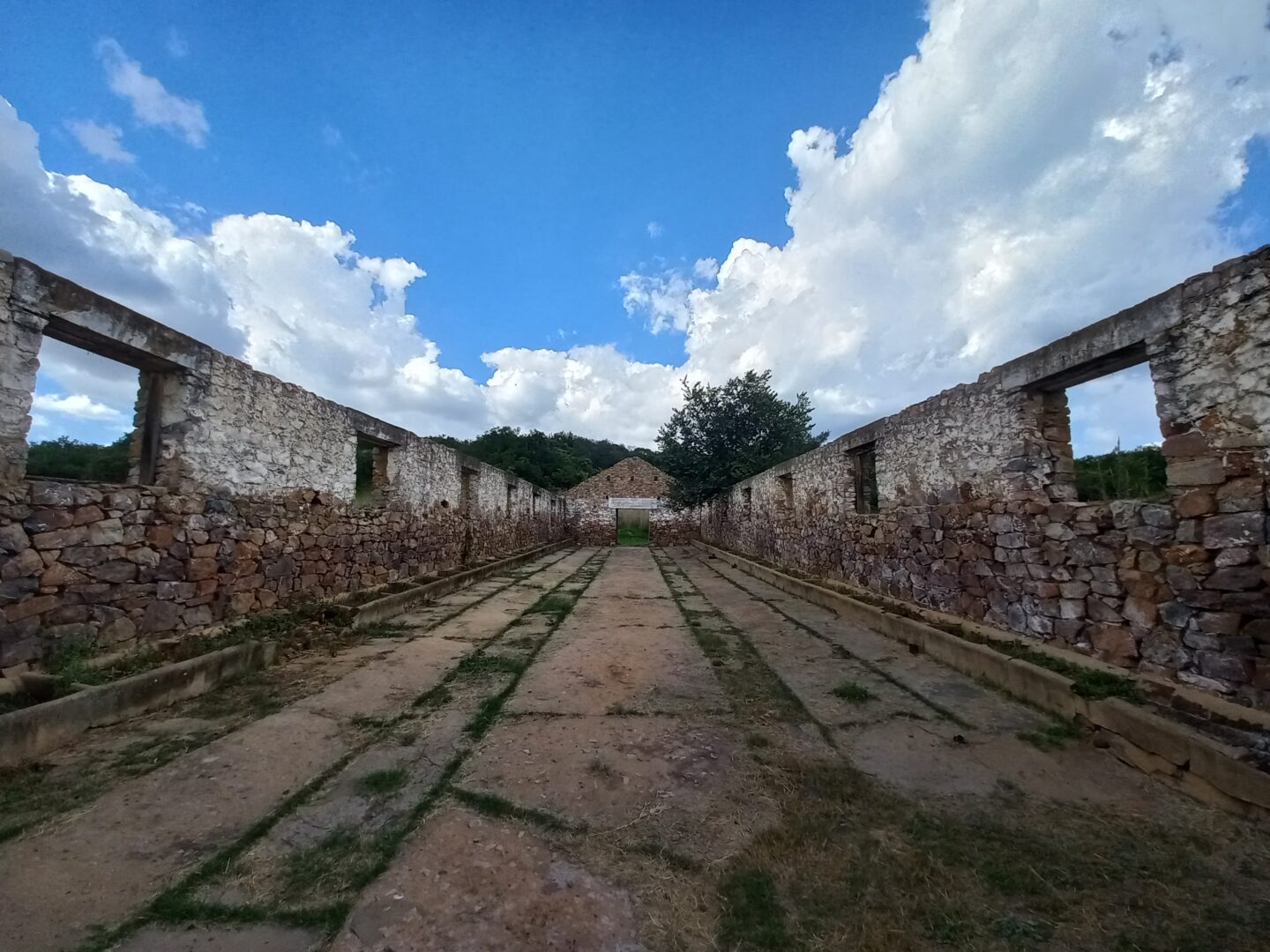
There is also the remains of a Voortrekker farmstead belonging to the Marais family, comprising the farmhouse, waenhuis, orchard, irrigation furrows and cemetery.
The Reserve was formally a farmland (Rietvlei 101), but now a public open space, which was proclaimed as a nature reserve under Section 14 of the Nature Conservation Ordinance 12 of 1983, since October 1984.
The presence of late Iron Age homesteads and cattle kraals within the park is evidence that the area was once a dwelling place for the Sotho Tswana speaking people communities. Research has shown that the sites were occupied during the seventeenth, eighteenth and nineteenth centuries. Communities at Klipriviersburg did not mine, but traded agricultural produce for iron tools with early mining settlements at Melville Koppies and other sites in what is now northern Johannesburg.
During the 1890s Klipriviersberg became the base for the Ninevites led by Jan Note, the largest of the black criminal gangs who operated on the Witwatersrand during the late 19th and early 20th centuries. As recorded by historian Charles van Onselen in New Babylon New Nineveh:
“Note soon discovered that most of the Reef’s Zulu-speaking petty thieves and
minor criminals – the izigebengu – did not live within the more densely
populated urban areas. Hounded and harassed in the towns, by the police and
pass laws, most of the izigebengu had taken refuge in the nearby Klipriviersberg
hills immediately to the south of Johannesburg. There, living in the kloofs and caves of a place they called “Shabalawawa” some 200 men, women and children
had placed themselves under the leadership of a man named Nohlopa who hailed from Kabwe in Zululand. At the heart of this loosely-knit community, however, there was also a more hardened core of brigands and it did not take long for a man of Note’s talent and spirit to bring himself to the notice of these iziglekeqe. Within a short period of time Note attained the position of induna within the community, acting as Nohlopa’s closest Advisor and assistant .”
Note went on to form the Ninevite movement, a quasi-religious organisation with para-military over tones. Under his leadership, the criminal bands at Klipriviersberg were transformed from a loosely organised underworld community into the more tightly-knit unit Umkosi Wezinthaba, meaning “Regiment of the Hills”.
While the Reserve now belongs to the Johannesburg City Metropolitan Council (JCC), local volunteers organised under Kli priviersberg Nature Reserve Association have assisted with the management of the site in recent years. A small enclave belongs to the University of the Witwatersrand. JCC City Parks (JCP) has been given the responsibility and its conservation department has since moved into the site premises, joining forces with other structures in maintaining the reserve, conducting educational tours and developing new projects. The reserve is currently under utilised, but Johannesburg City Parks has plans for development of an interpretive centre, a site museum and a walking trail.
National Heritage Resources Act, 1999: Provisional Protection status, July 2011.
A culmination of research gathered over many years, the Online Johannesburg Heritage Register is being launched on Nelson Mandela Day 18 July 2025.
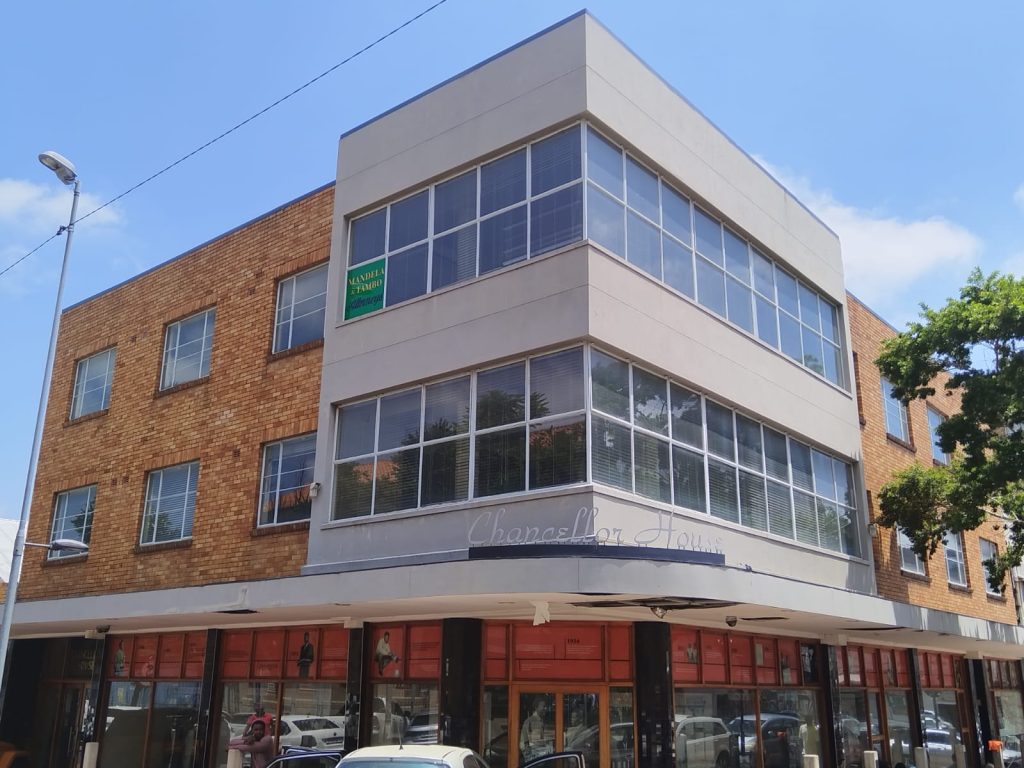
Among the many heritage sites featured is Chancellor House, the downtown offices of Mandela and Tambo Attorneys in the 1950s. After having been vacant and shuttered for more than a decade, this iconic building is being revived and brought to life once again as offices for the Community Development Department, which oversees the City’s Arts, Culture & Heritage Services.