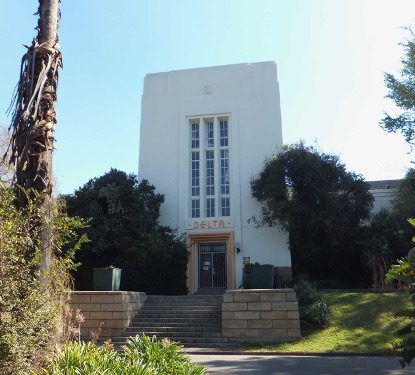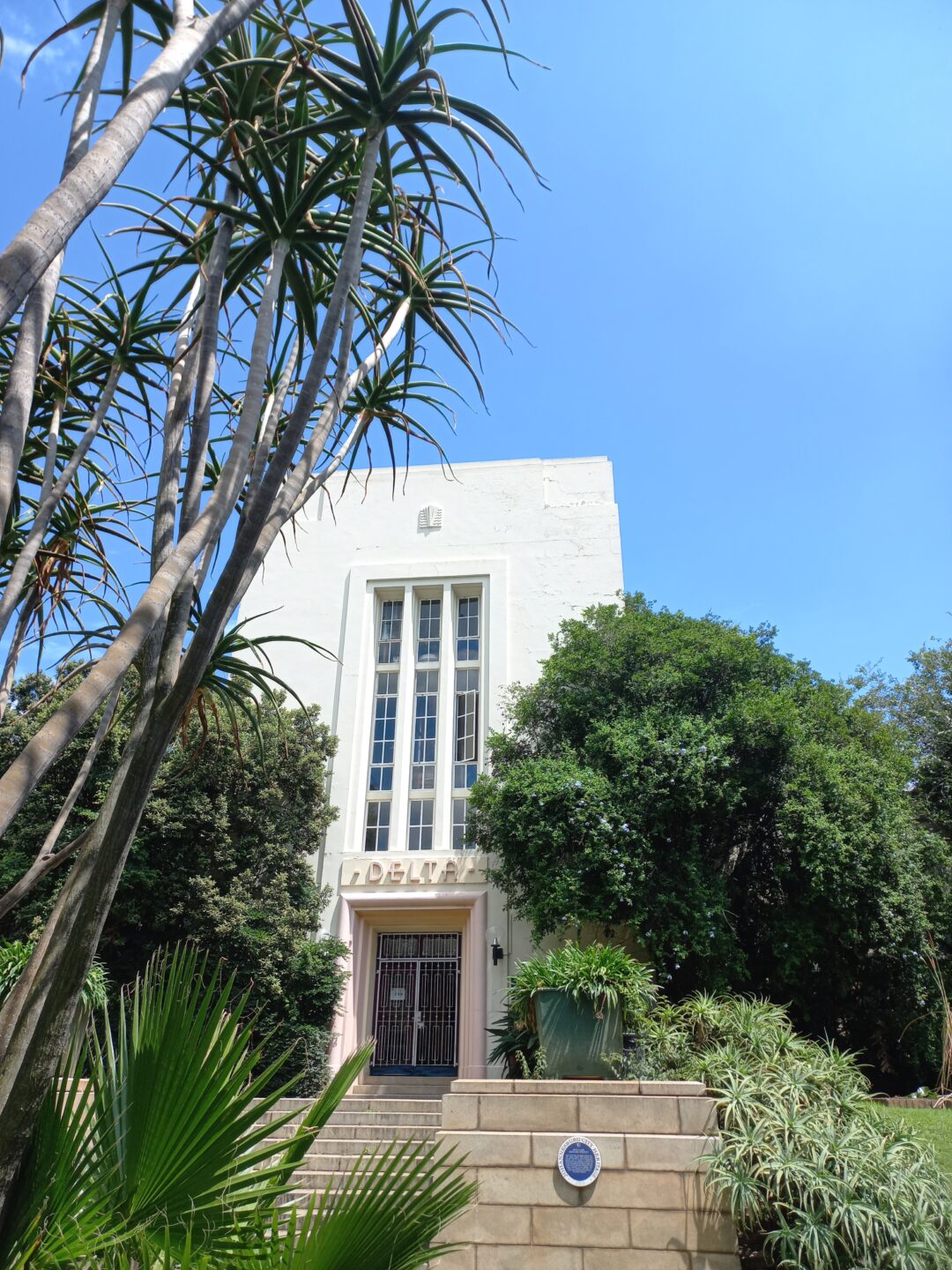
The old waterworks buildings within Delta Park comprise two small gate-houses; four staff houses; the workers compound, and the main building, all of which form an extraordinarily intact group of m unicipal Art Deco buildings. They were built in 1934 by the Municipality of Johannesburg as the Delta Sewage Disposal Works, and were presumably designed by the City Engineer’s Office.
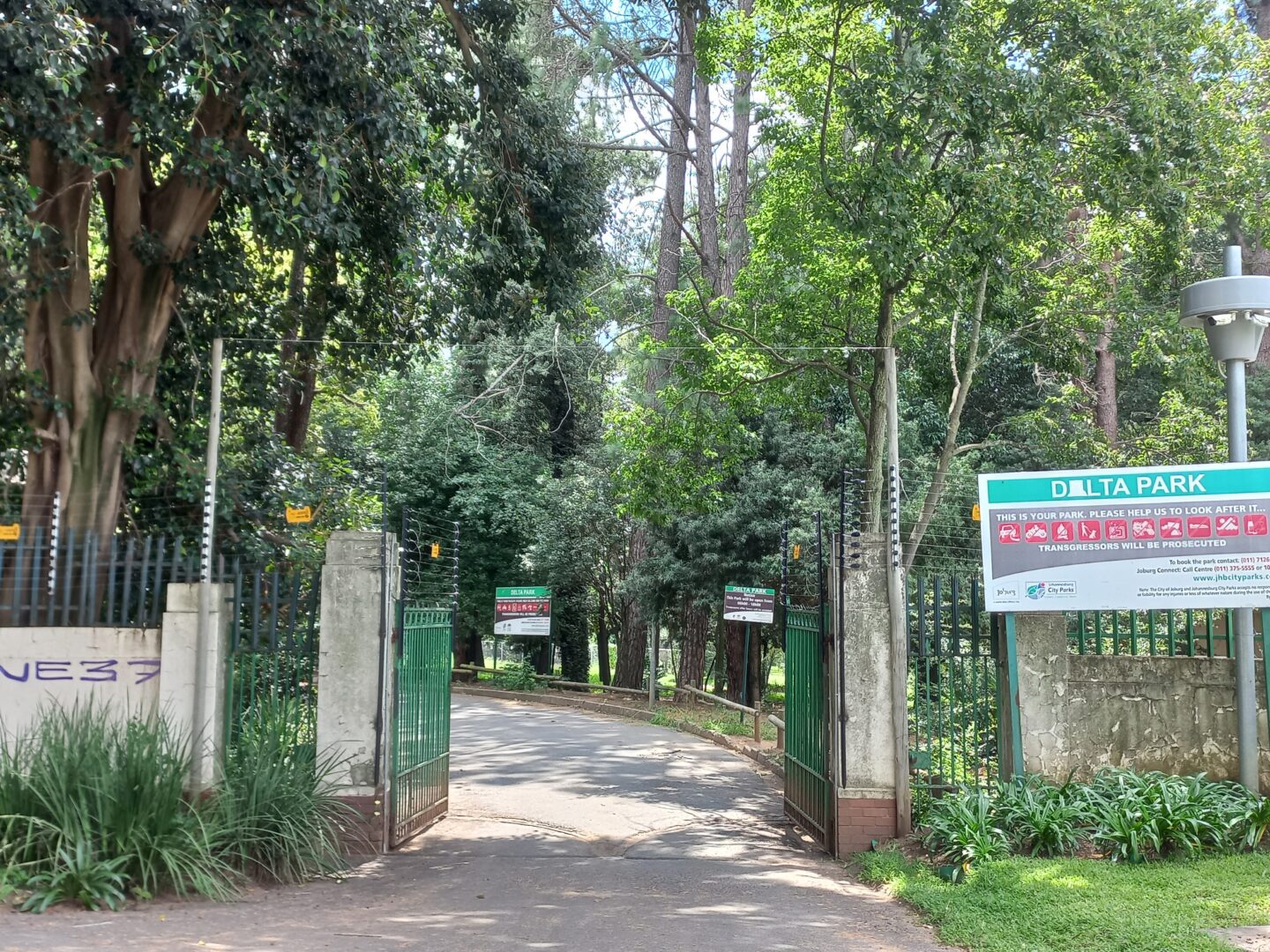
The original main entrance to the Delta site (at the east north end of Craighall Road, in Victory Park) comprises two substantial plastered columns with banded capitals, which support a pair of heavy wrought iron gates. This is flanked with smaller columns (on both the southeast and northwest sides) which support the two wrought iron pedestrian gates. The columns are in turn flanked with curved wing walls.
The gates, columns and curved walls form a strongly symmetrical composition, which is reinforced by the two small gatehouses, one on each side of the entrance driveway within the property. Of the two structures, that on the southeast side functions as a transformer room and that on the northwest as a gatehouse.
The elevational language of face-brick plinth, plastered walls, projecting plastered string -courses, shadow lines and flat roofs, forms an introduction to the architecture of the rest of the buildings on the site.
Staff Houses
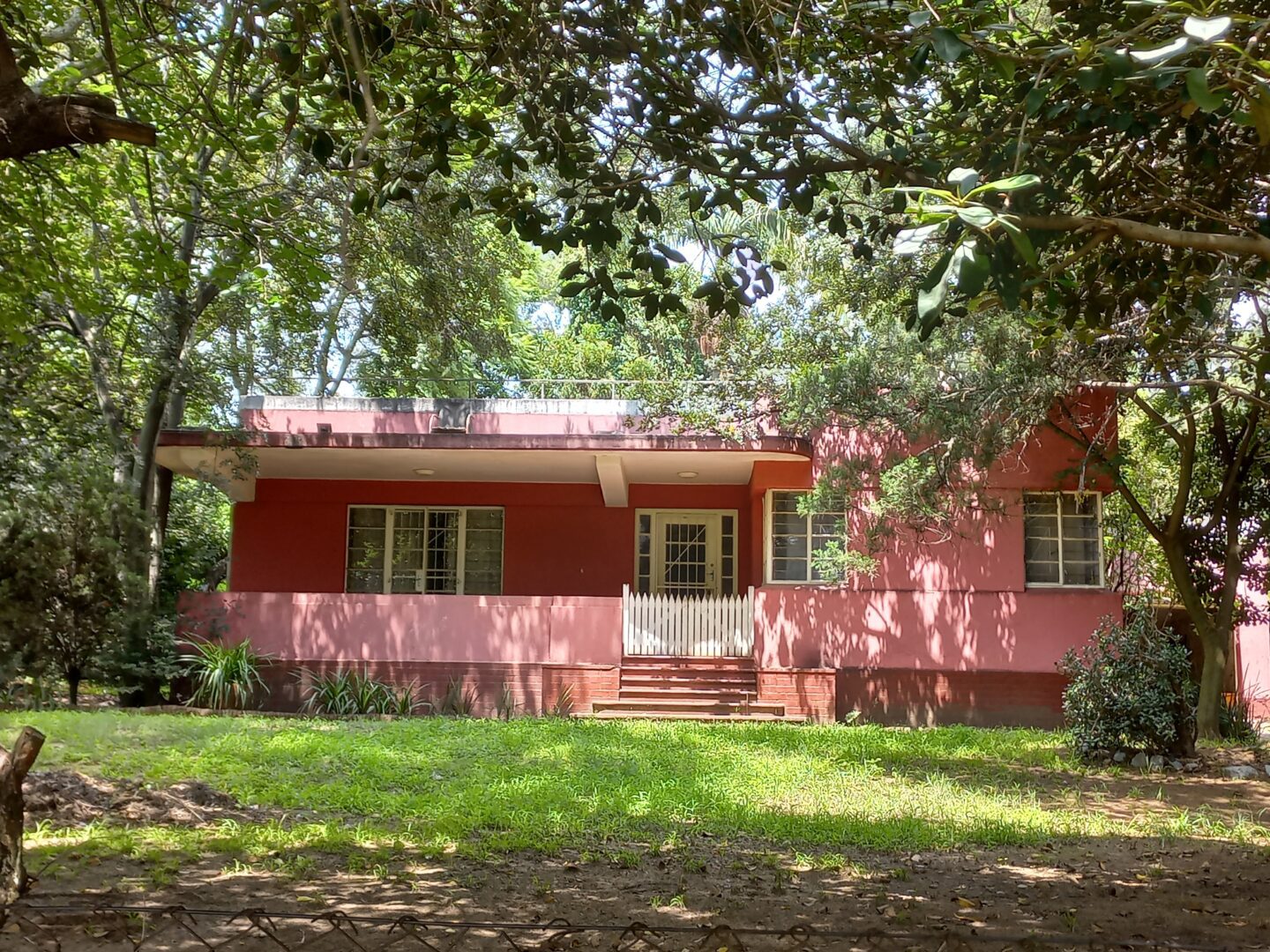
Four staff houses are sited, at regular intervals and as a cohesive group, on the northsouth side of the entrance driveway. The land slopes gently to the north and each house would originally have enjoyed commanding views to the eastnorth, although vegetation now largely obstructs this.
The houses are characterised by their strong “Deco-Moderne” elevational treatment with a face-brick plinth, plaster banding, corner windows, cantilevered and bracketed concrete verandah canopy, flat concrete roof behind low parapet, simple wrought iron parapet handrail and paired chimneys (on the west elevation).
The plan form of these houses is essentially a re-interpretation of a standard Edwardian asymmetrical free-standing house. This comprises a projecting, symmetrical wing (gabled in the original version) flanked by a deep verandah with the main entrance door between. The bedroom wing forms the east side of the houses, the living, dining and kitchen are on the west. A single garage and servant’s room form an L-shaped outbuilding, creating a small yard at the rear of each house. The north side of these yards is edged with a masonry staircase which provides access to the flat roof of the house.
Internally the panelled doors, tiled fireplace surrounds, tiled bathroom dados and timber floor finishes are all typical of the period and appear to have survived remarkably intact.
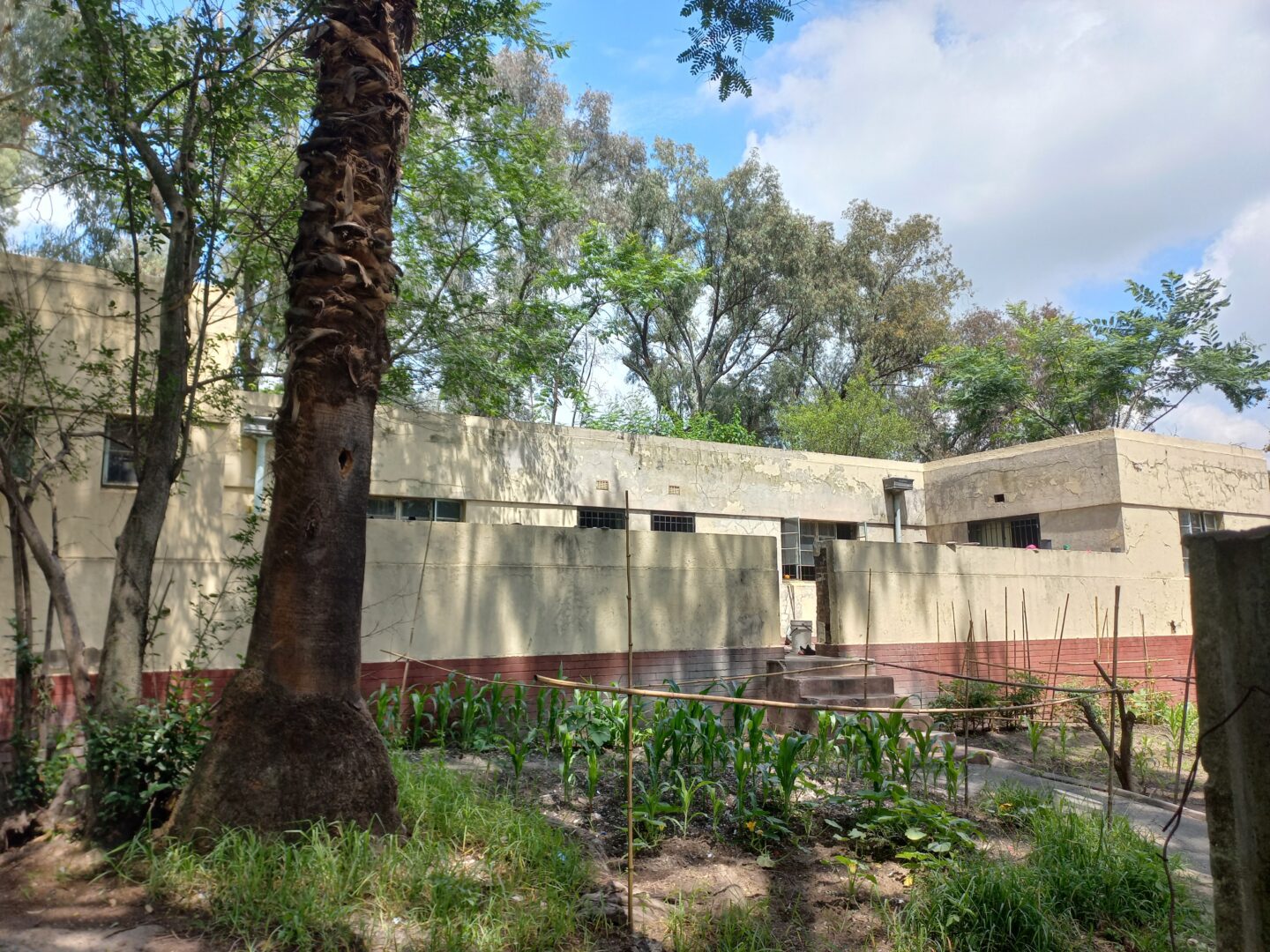
Worker’s’ Compound
The compound forms a modified U-plan, symmetrical in planning, but with some variance from the symmetry in the external elevations. Raised on a substantial plinth, (the courtyard within the U) is accessed by a steep, single flight of stairs. The open, eastnorth side is screened from public view with a free-standing brick wall.
Main Building
The main building is located at the termination of a long driveway marked with an elongated three bay turning “circle”. The building is raised on a substantial berm, and accessed from the driveway via a broad flight of granite stairs.
The most striking aspect of the main building is the pleasing proportions of the tall central block, with its “thrusting” verticality. This is flanked on either side (and to the rear) by the lower bulk of the major portion of the building.
The façade of the central block is elaborated with an Art Deco “giant order” plastered frame which rises for the full height of the building and surrounds the fenestration to the different floor levels. This verticality is further emphasised by the three sets of narrow, steel “industrial sash” windows which rise for the full height of the plastered frame. The steel frame sits flush with the external plastered wall surface, a typical detail of the then fledgling Modern Movement.
Above these tall windows, and set within the wall forming a parapet to the flat roof beyond, is a “keystone” in sculptured relief with what appears to be an abstract, symbolic representation of water. On either side of the “keystone” and at the top of the parapet wall, the two corners of the front façade are articulated as rectangular, recessed plaster panels.
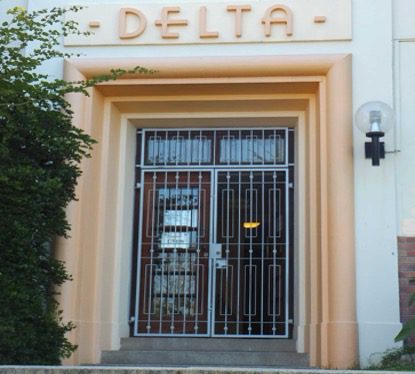
The main front door is also framed in a typically Deco manner, with triple splayed reveals, and with an applied half-round plaster moulding to the external face. The name “DELTA” is recorded in a typically Deco font, in substantial plastered relief above the front door.
A durable hard wood, probably teak, was used for the front door. A feature of this door is the horizontally proportioned panes, with bevelled plate glass. The horizontal glazing bars project beyond the face of the door frame and are moulded with a narrow shadow-line, which serves to reinforce the horizontality.
The Delta Waste-water Treatment Works was one of four new plants developed during the 1930s to process the sewage output from the rapidly expanding city. Delta was unique in two respects: the main works – sorting screens; grit separators; sedimentation tanks, machinery rooms and offices were all housed in a single, somewhat imposing building. The method of sewage disposal used also applied ground-breaking new technologies.
The foundation stone of the main building was laid on 25 July 1934, and sewage was first treated experimentally at the new plant on 8 April 1935. Treatment of sewage from the suburbs of Parktown, Parkview, Westcliff, Saxonwold and part of Parkwood commenced on 21 April 1935.
The Delta Works ceased operations in June 1963 and tenders were invited for the removal of all machinery.
The area was subsequently developed as a municipal park which is currently administered by Johannesburg City Parks (JCP) on behalf of the City of Johannesburg.
General Protection: Section 34 (1) Structures under the National Heritage Resources Act, 1999.
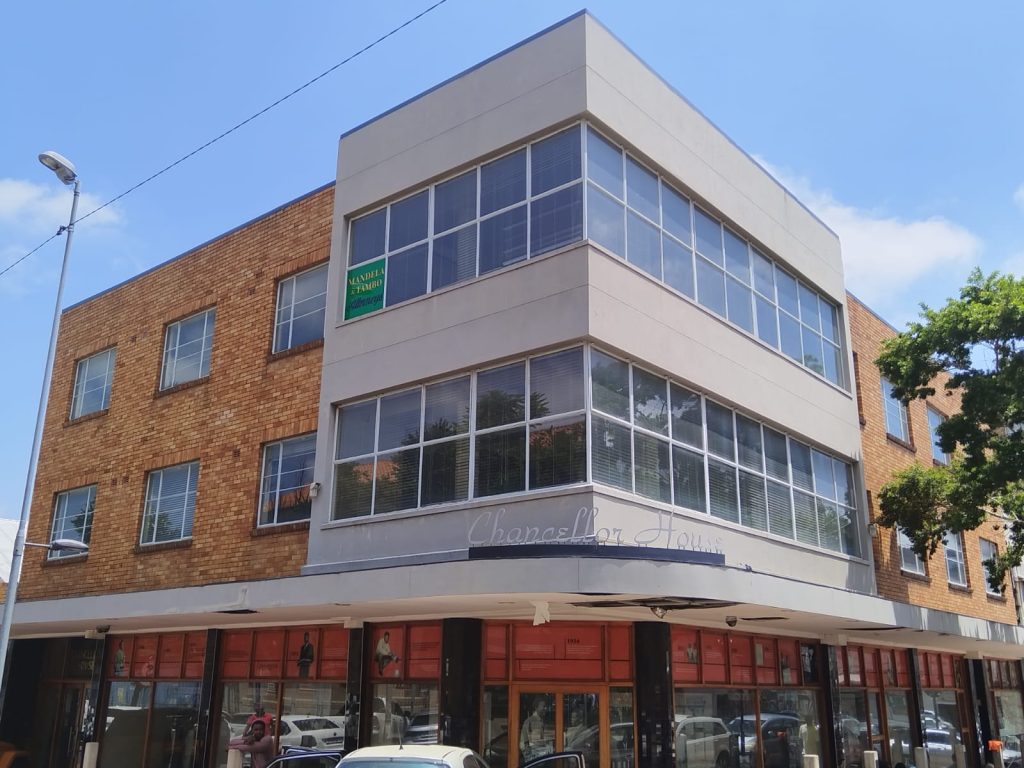
A culmination of research gathered over many years, the Online Johannesburg Heritage Register is being launched on Nelson Mandela Day 18 July 2025.
Among the many heritage sites featured is Chancellor House, the downtown offices of Mandela and Tambo Attorneys in the 1950s. After having been vacant and shuttered for more than a decade, this iconic building is being revived and brought to life once again as offices for the Community Development Department, which oversees the City’s Arts, Culture & Heritage Services.