Charlotte Makgomo Manye was born in Ramokgopa, in the Pietersburg district, on April 7, 1874. As a young girl, she had a lovely deep voice and performed in concerts in various places, including Kimberley. She later joined a singing group organized by Mr Bam, which toured England, where she sang before Queen Victoria. Two years later, the group travelled to Canada and the United States, where she was offered an opportunity for university training. She enrolled at Wilberforce University in Cleveland, Ohio, an institution run by the African Methodist Episcopal (AME) Church and managed by African Americans. At the university, she befriended future leaders of the black community in the United States and often lectured in America on the needs of her people at home. She also corresponded with Rev M M Mokone, who had founded the Ethiopian Church in Pretoria, informing him about the AME Church. As a result, the fourth Annual Conference of the Ethiopian Church decided to merge with the AME Church in 1896, thus introducing the AME Church to South Africa. While still at Wilberforce, she met and married Rev Marshall Maxeke, a fellow student. From then on, she became known as Charlotte Maxeke.
In 1905, she graduated with a B Sc degree, becoming the first African woman from South Africa to earn a bachelor's degree. Together with her husband, they returned home and founded the Wilberforce Institute, which later became one of the leading higher education institutions for Africans in the then Transvaal. She began active pioneering work in the AME Church and later opened a college in Ramokgopa, which unfortunately failed due to financial difficulties. The Maxekes then moved to Johannesburg for health reasons . There, she soon became a leader in church work and social service. Recognizing her leadership, the AME Church elected her president of the Women’s Missionary Society, a position she held for a decade. Her eloquence in both English and African languages made her a popular speaker, and she even shared a platform with Princess Alice, Queen Victoria’s granddaughter.
Deeply invested in the welfare of her people, she addressed conferences on the social life of Africans and was called to give evidence before government commissions on African affairs. In 1919, she gained political prominence as a leader of women demonstrators against proposals to extend the pass system to women. In 1918 s he founded the Bantu Women’s League, which T D Mweli-Skota called the "African Women’s League," a branch of the African National Congress (ANC). She served as p resident of the Bantu Women’s League for many years and led a delegation to the Prime Minister to discuss the pass issue for women in the Free State. Under her leadership, the Women’s Section, with branches across the country, demonstrated widely and occasionally successfully against passes for women. She was also actively involved in workers’ struggles, supporting early efforts to launch a national trade union movement for Africans in 1920.
In 1923, she contributed to discussions on the registration of n atives and the pass laws. At various meetings, she called for joint conferences of Africans and w hites to analyse the situation of urban African women. She also advocated for the establishment of juvenile courts to deal with cases involving children, arguing for the appointment of women magistrates for these courts. She believed that treating children as adults and sending them to jails and reformatories was utterly ruinous. Charlotte Maxeke was not only an activist; she combined her actions with reflection, theory, and practice. One of her greatest contributions to the analysis of the women's question in South Africa was her address on "Social Conditions Among Bantu Women and Girls" at a conference of European and Bantu Christian Student Associations at Fort Hare in June 1930. Her presentation was dramatic and convincing. She often spoke on African unity, not just in South Africa but across the continent, decades before the formation of the Organization of African Unity (OAU).
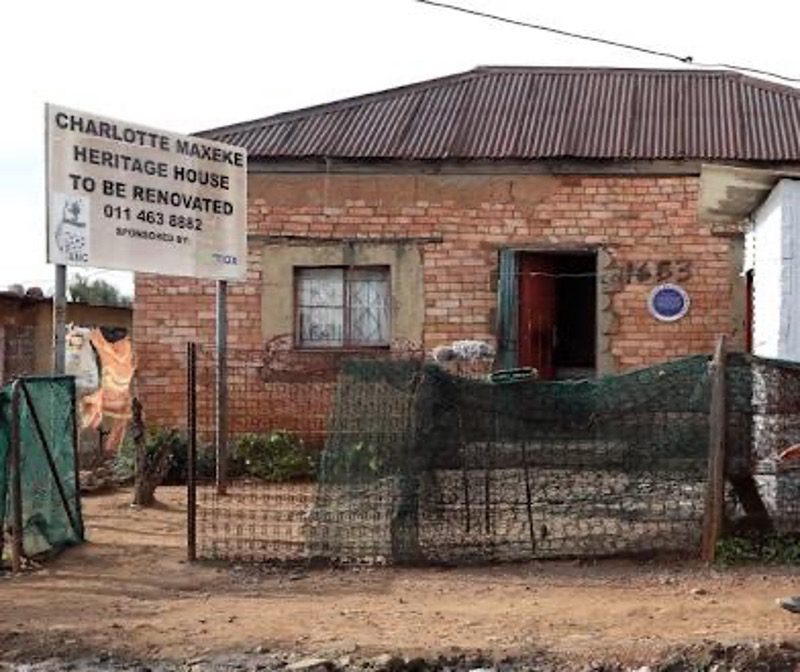
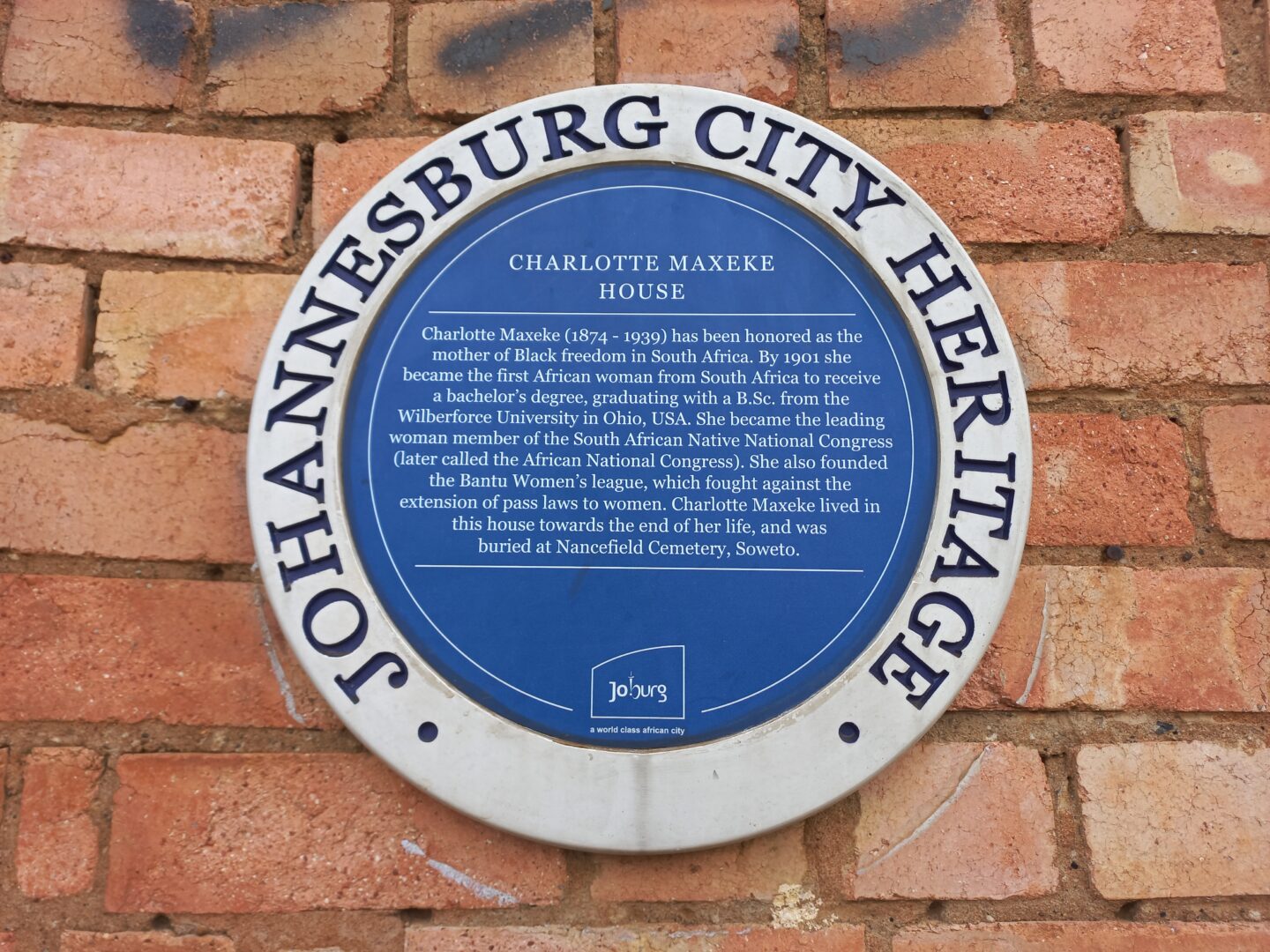
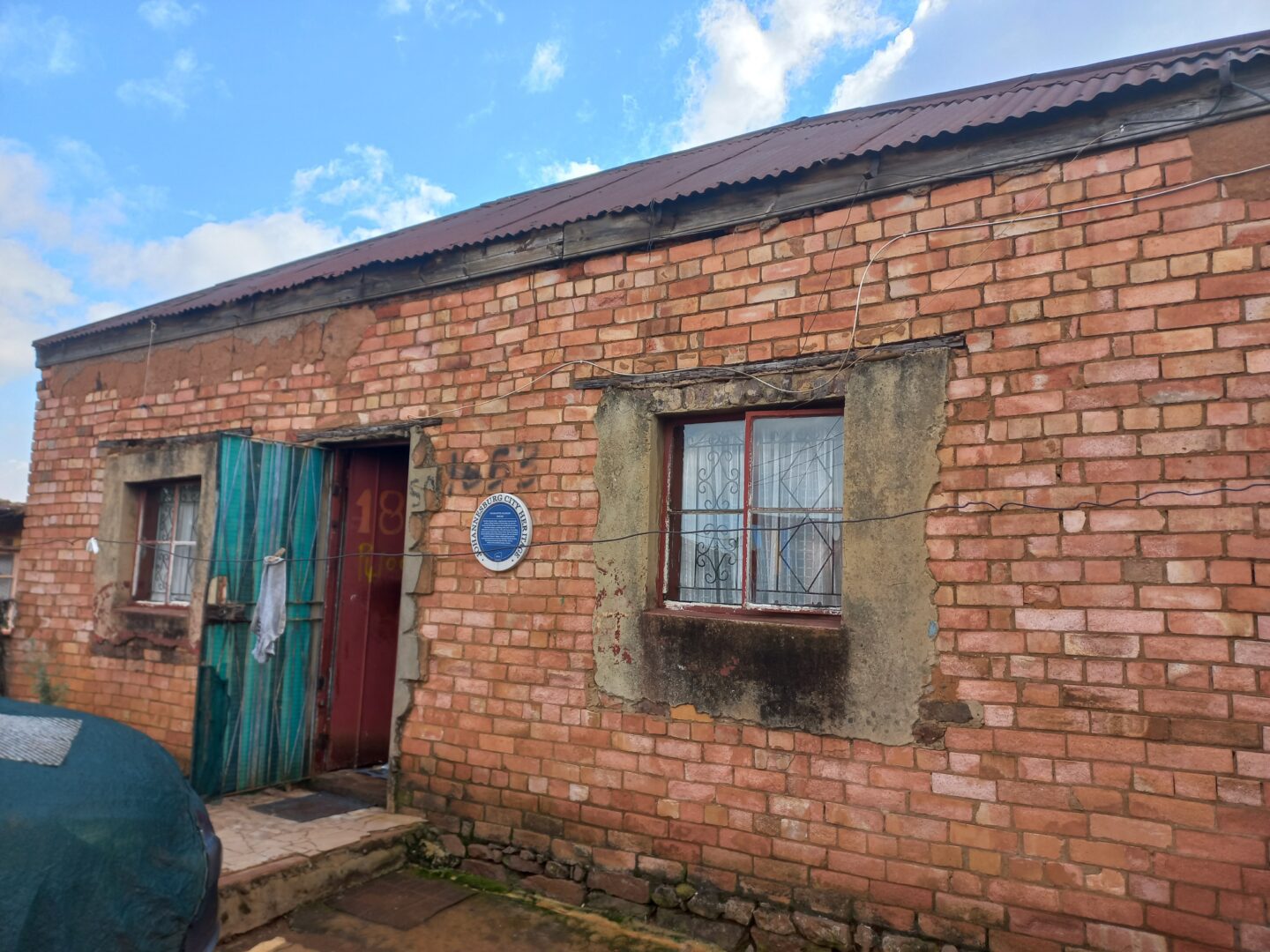
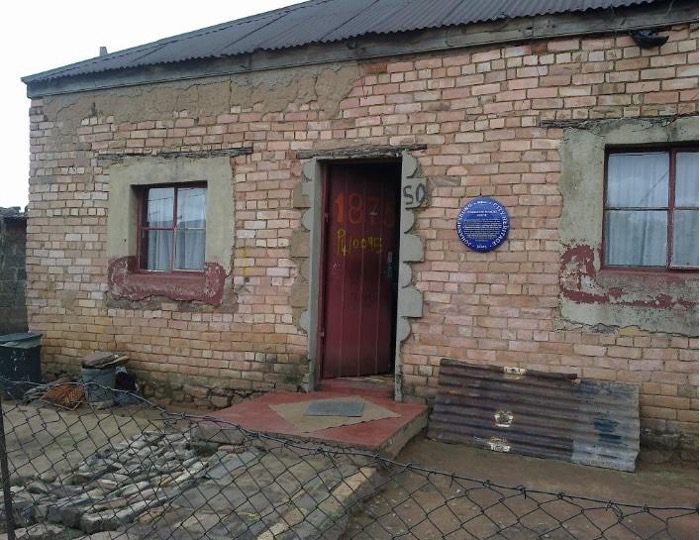
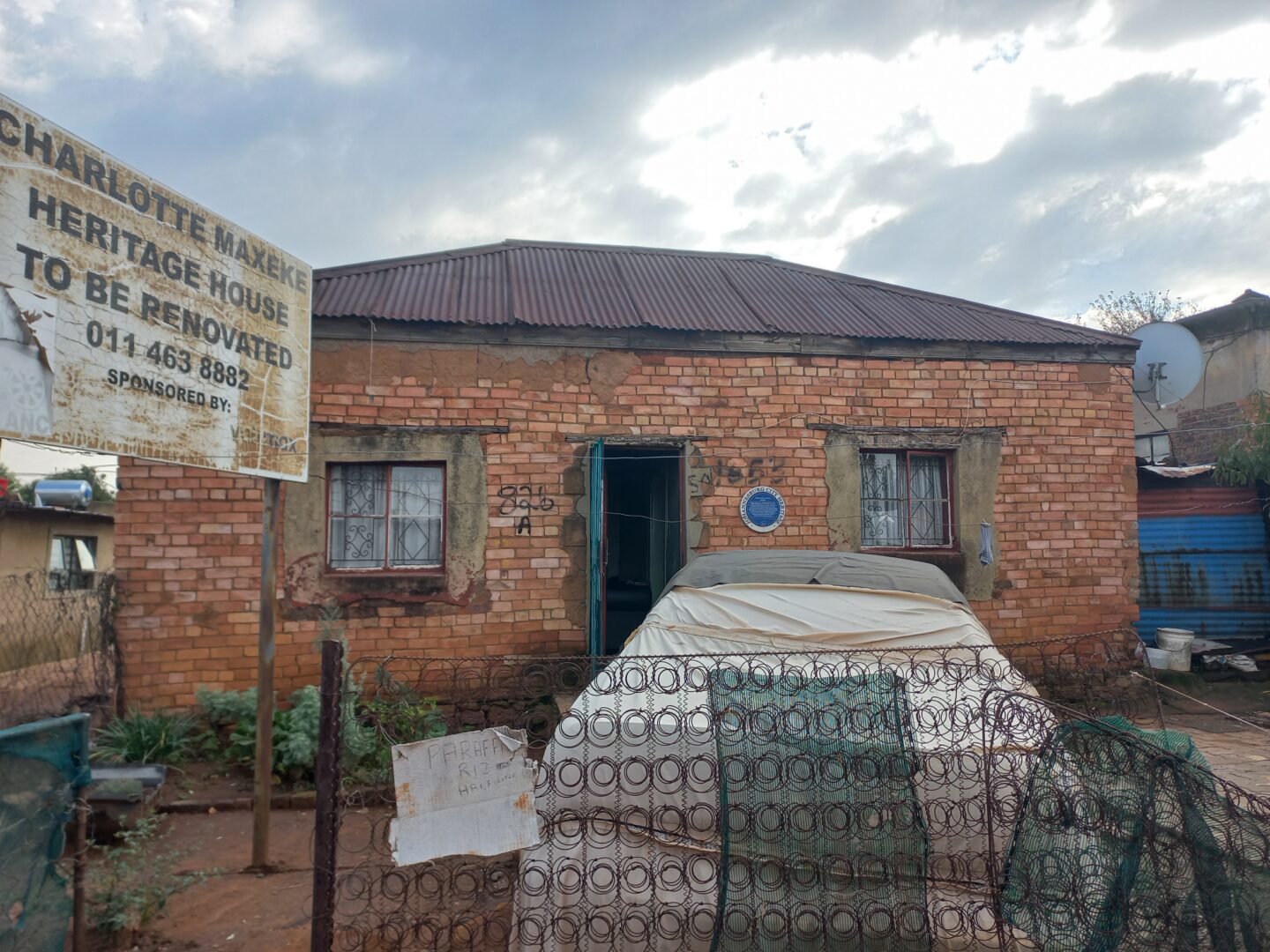
Charlotte Maxeke passed away in 1939 at the age of 65. As part of Heritage Month, a simple plaque inscribed with the words "The Mother of African Freedom in This Country" was unveiled in Soweto to honour her legacy. The plaque is one of two initiatives by the South African Heritage Resources Agency (SAHRA). On September 14, 2006, a memorial to Maxeke was also unveiled at the Nancefield Cemetery. This plaque also pays homage to other women who contributed to the anti-apartheid struggle. The City of Johannesburg, Arts, Culture, and Heritage directory honoured her by erecting a plaque on the house where she once lived in Kliptown. In April 2007, the South African Navy honoured her by naming one of their newly acquired submarines SAS Charlotte Maxeke.
General protection: Section 34 (1) of The National Heritage Resources Act, 1999

A culmination of research gathered over many years, the Online Johannesburg Heritage Register is being launched on Nelson Mandela Day 18 July 2025.
Among the many heritage sites featured is Chancellor House, the downtown offices of Mandela and Tambo Attorneys in the 1950s. After having been vacant and shuttered for more than a decade, this iconic building is being revived and brought to life once again as offices for the Community Development Department, which oversees the City’s Arts, Culture & Heritage Services.