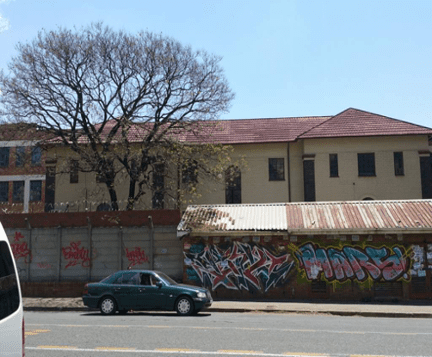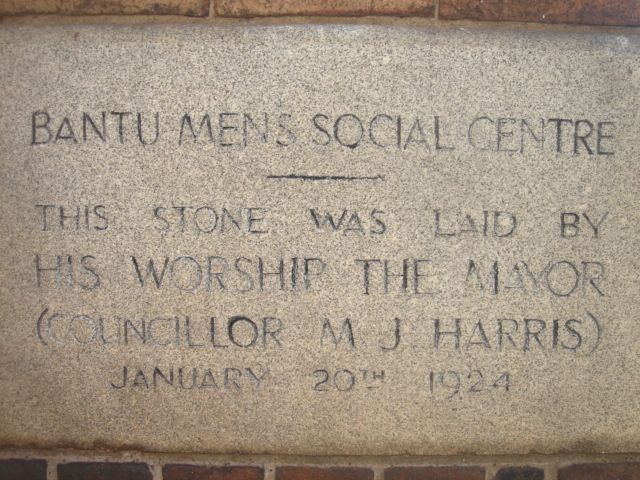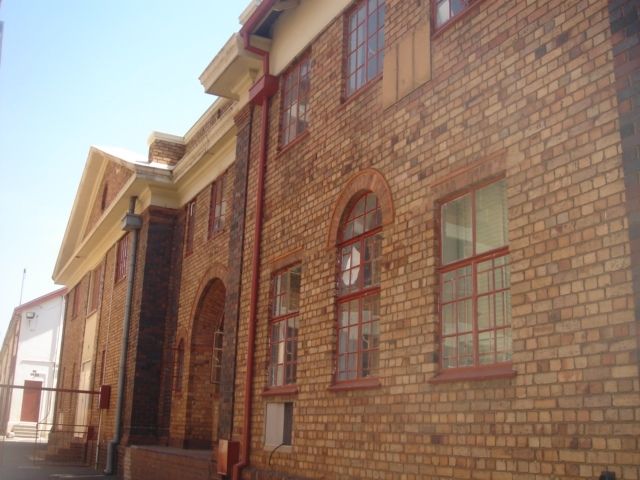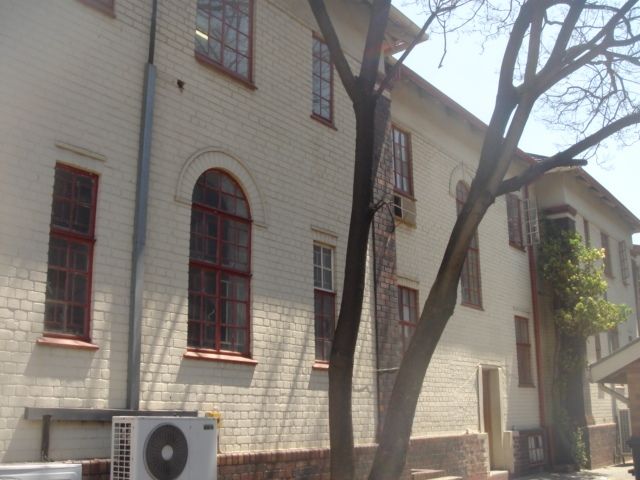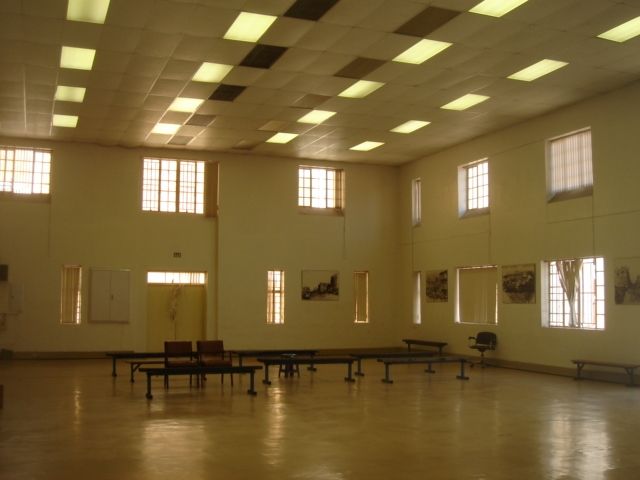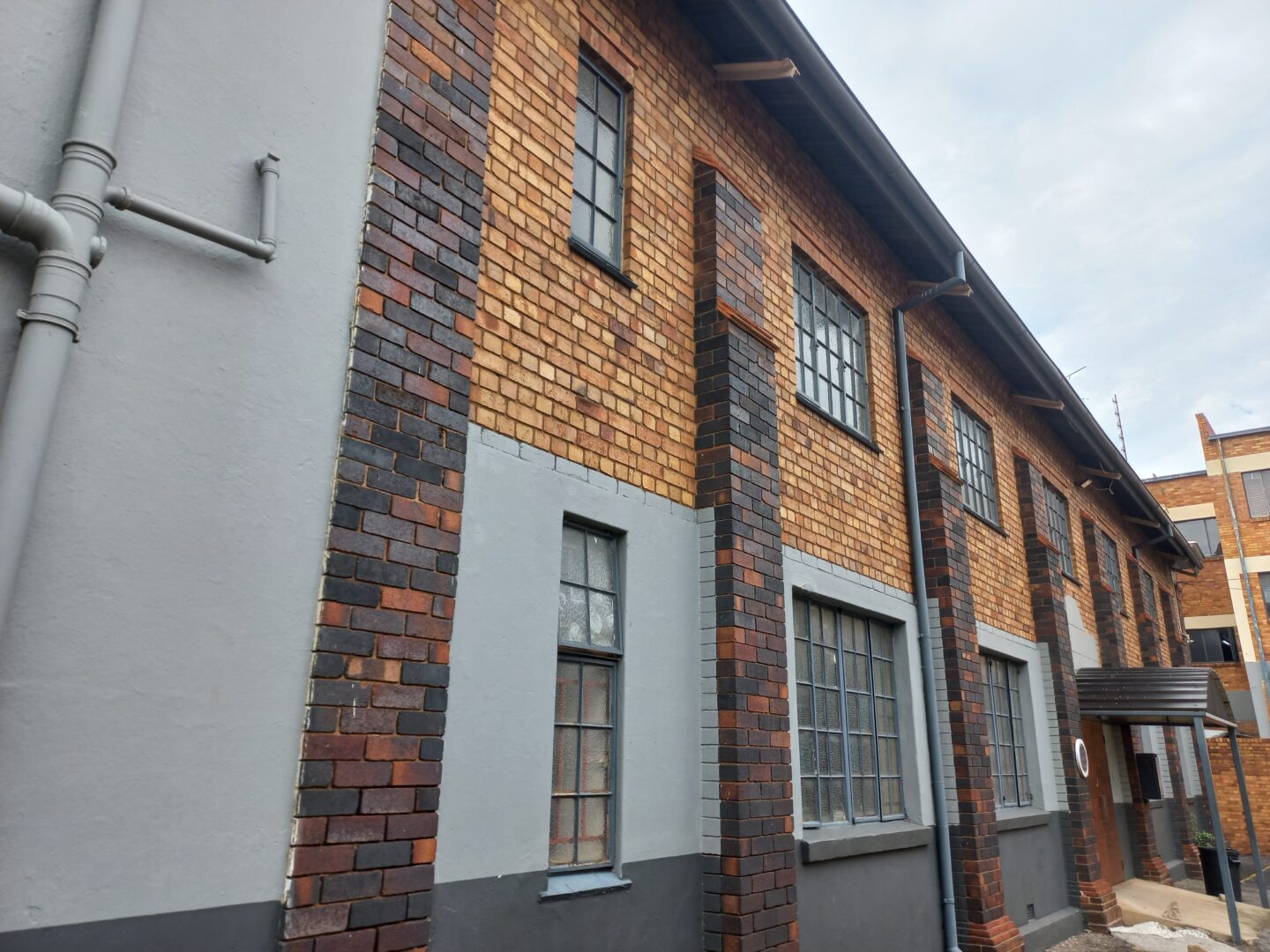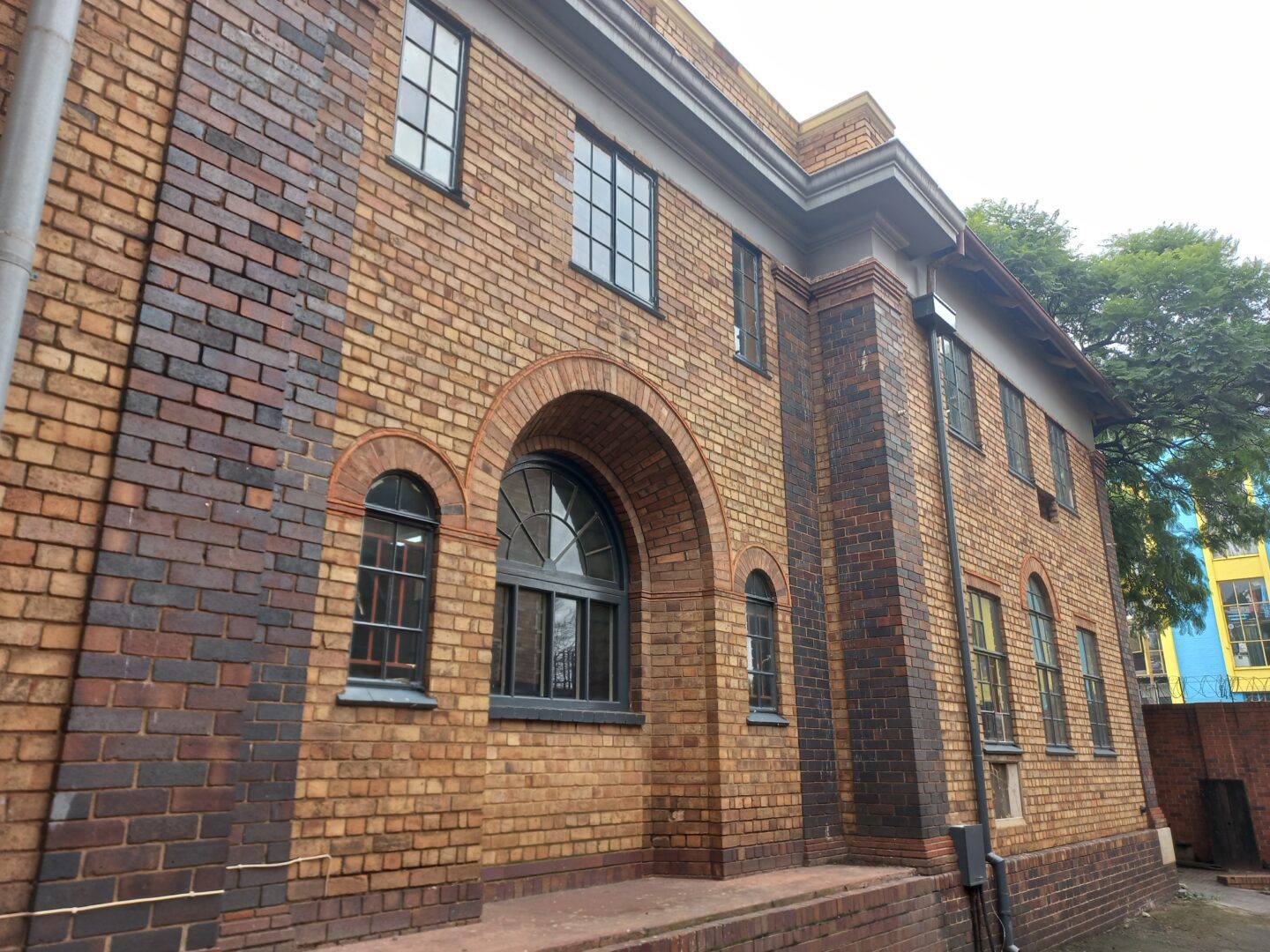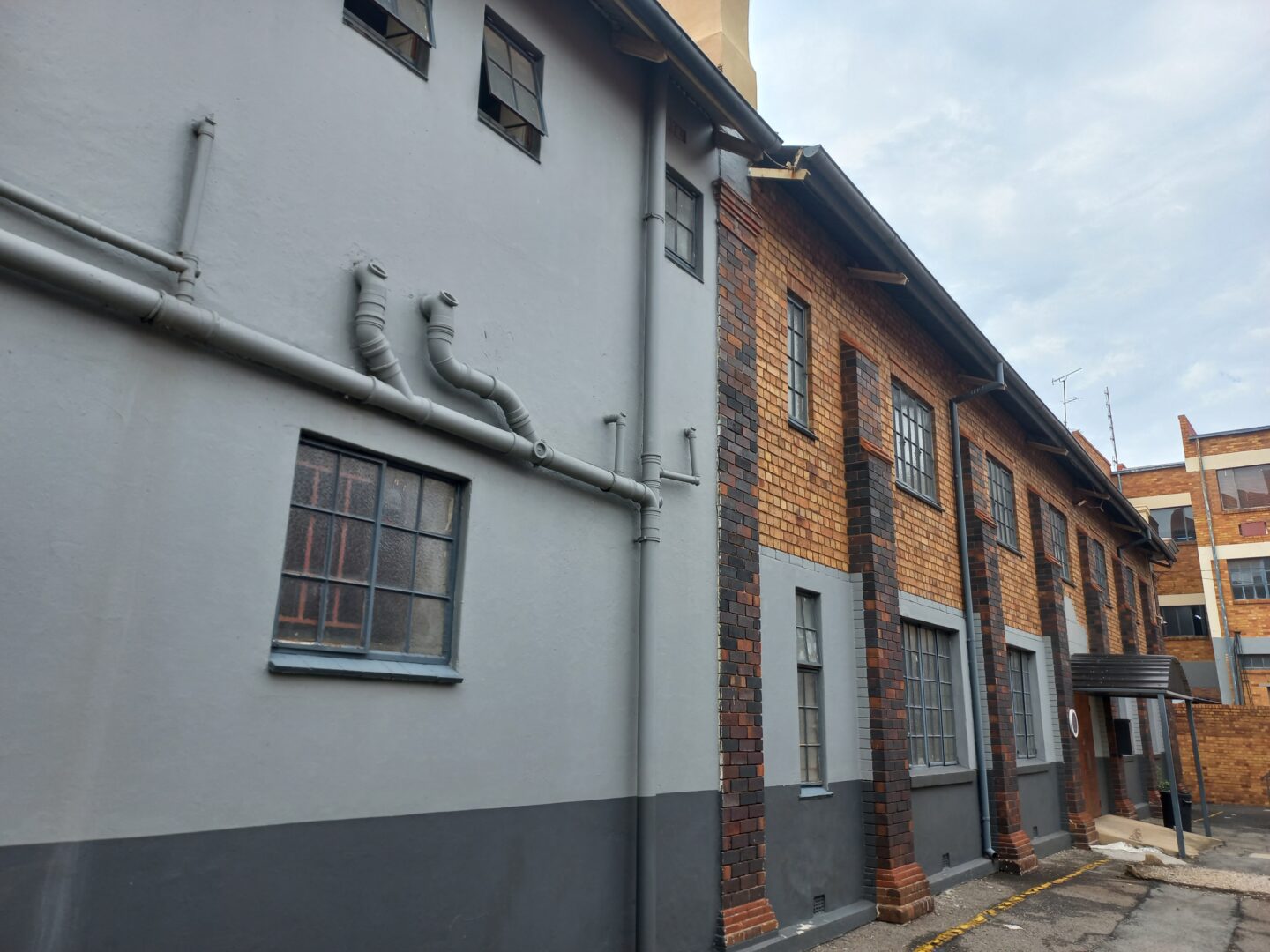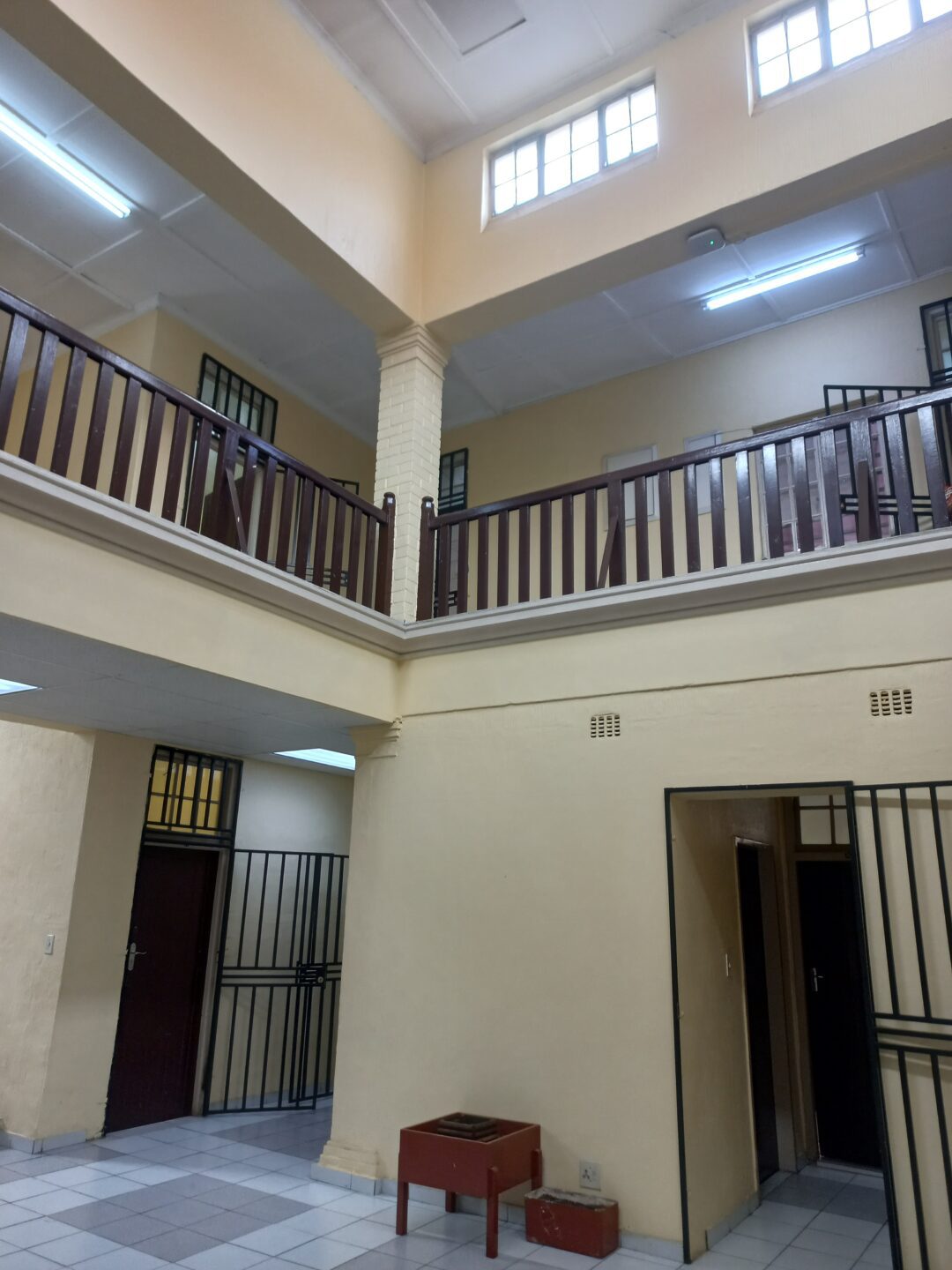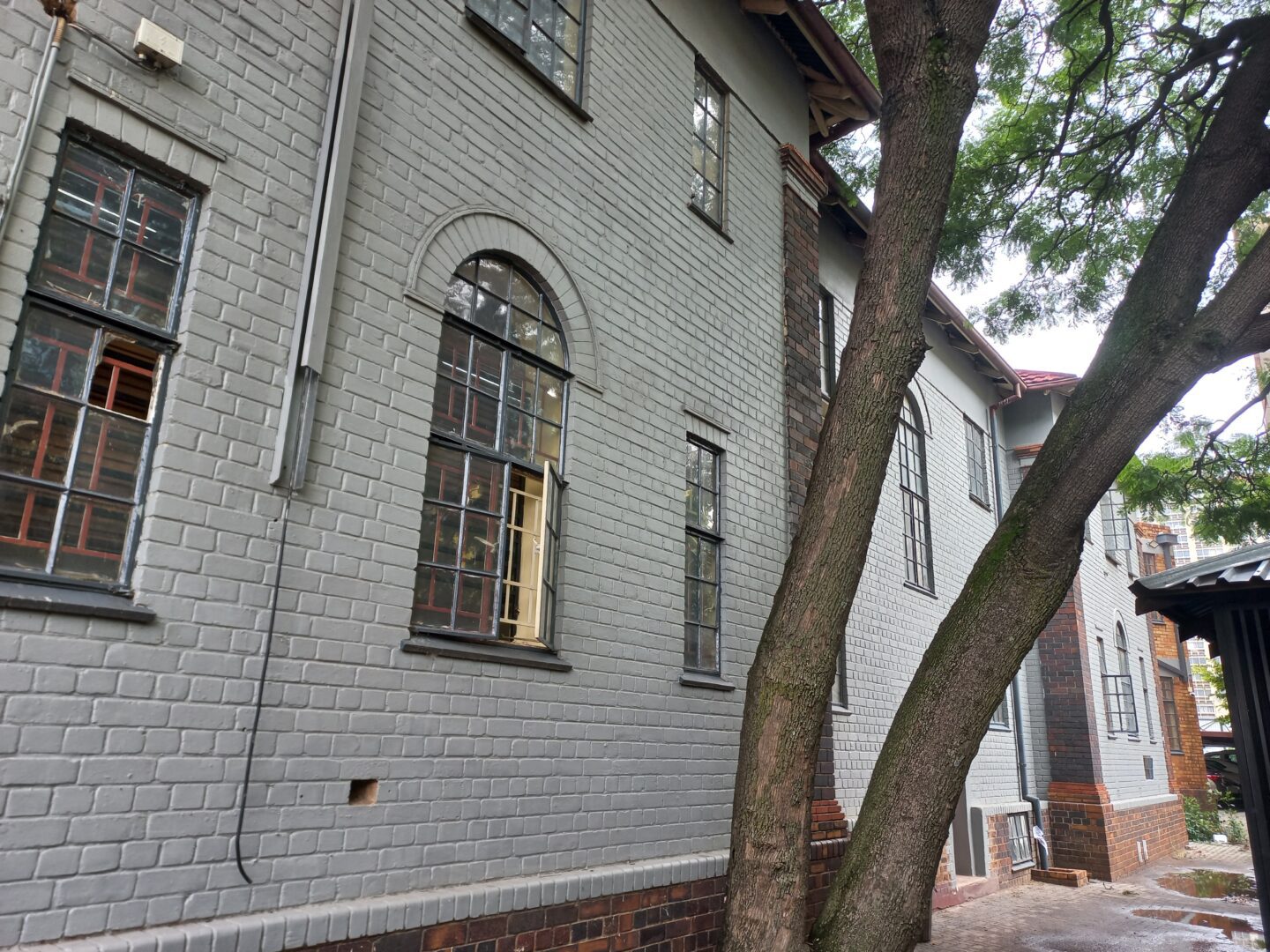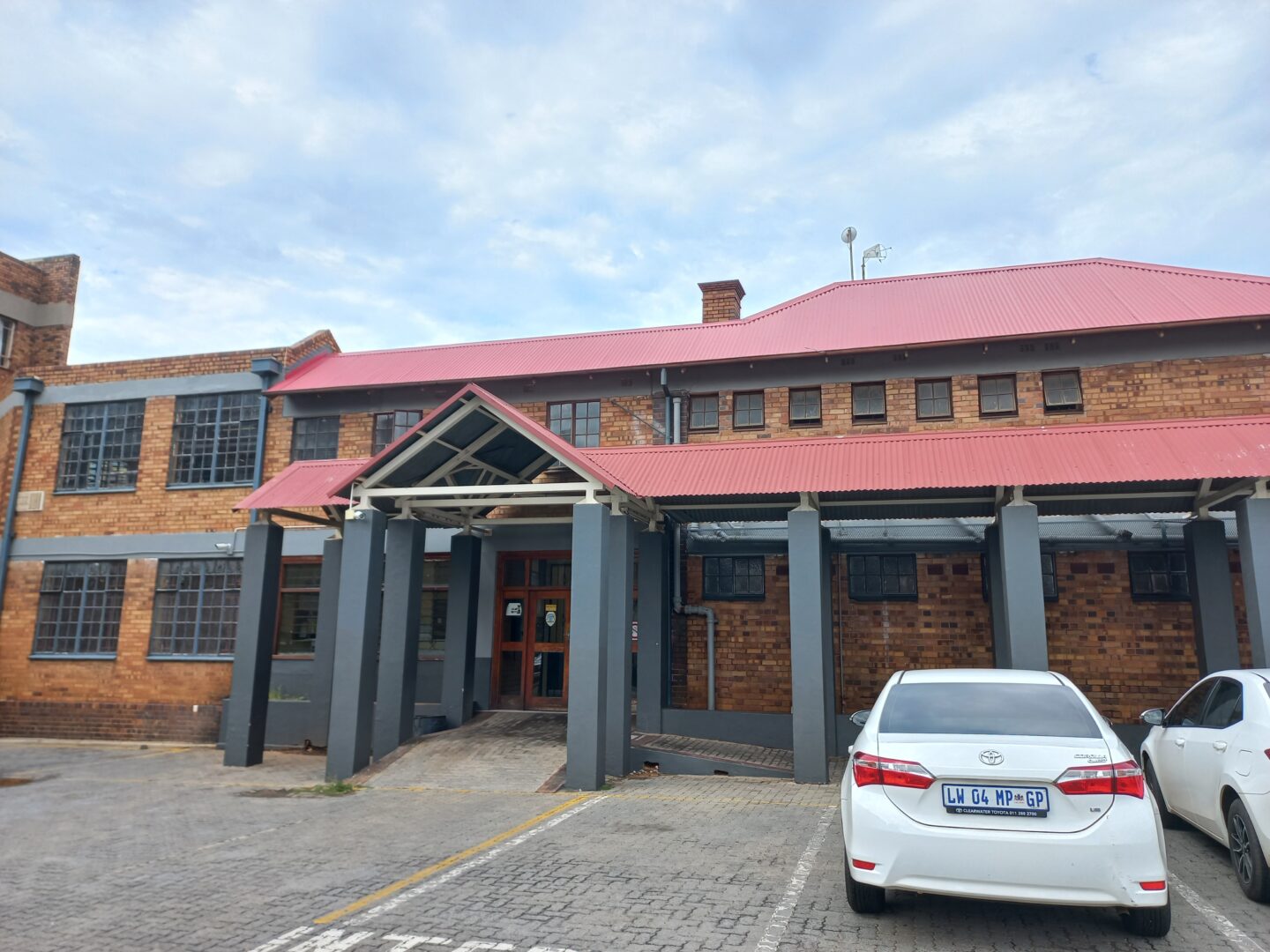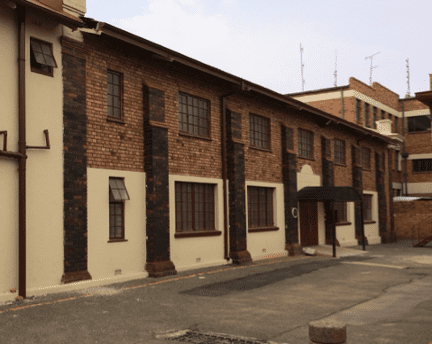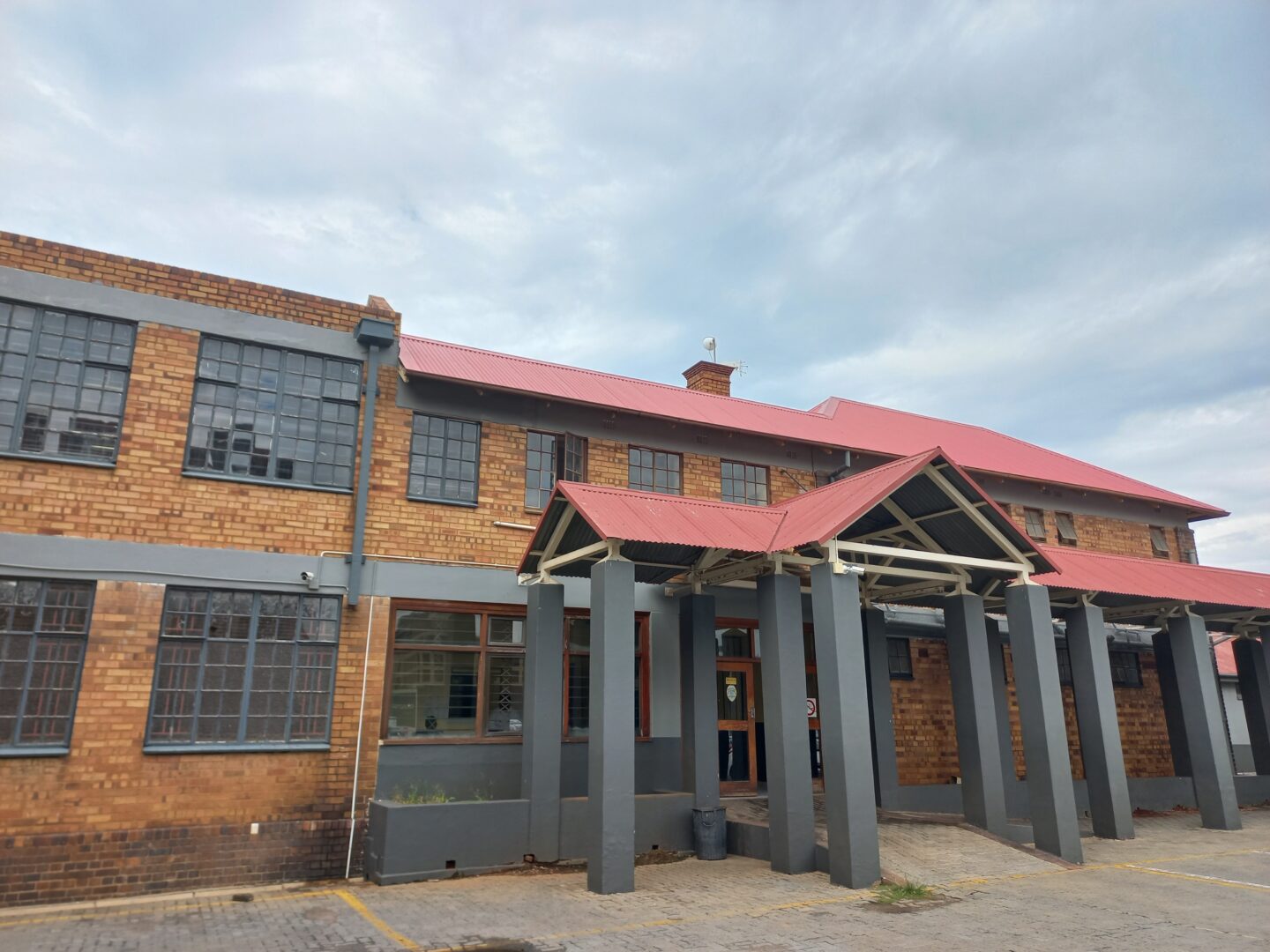
The Bantu Men’s Social Centre is a handsome double-storey brick building dating from the 1920s, distinguished by fine decorative brick-work. Much of the space is taken up by a large hall on the south side, with double volume spaces, and offices attached on the north side.
A large portico structure with matching red corrugated iron roof and grey pillars has been added to the north side of the building. Sections of the building have been plastered and painted grey, while the facebrick east side is now grey.
The Bantu Men’s Social Centre, established in 1924 by Reverend Ray Phillips, an American missionary, along with other liberal-minded blacks and whites, aimed to provide recreational facilities for young black men in the city. It was frequented by emerging political leaders, writers, intellectuals, teachers, and journalists.
The BMSC evolved into a vibrant venue hosting meetings, lectures, debates, cultural events such as plays and concerts, as well as dances, weddings, and sporting events. The hall was a renowned concert venue and hosted the annual Eisteddfod, or choral festival. In 1934, the Transvaal Eisteddfod became a national event, attracting renowned singers to Johannesburg for several days of competitions at the BMSC.
Well-funded, the facility included a branch library of the Carnegie Corporation with an impressive collection of works by African American authors and a tennis court alongside the building.
In 1932, playwright H I E Dlomo and others formed the Bantu Dramatic Society at the BMSC, producing a series of plays for mixed African and white audiences, albeit with limited following. The society continued to promote literary drama at the BMSC into the 1940s.
On February 24, 1944, a group of young men and one woman, Albertina Sisulu, met at the Bantu Men’s Social Centre at the south end of Eloff Street, where they were regular visitors. Among them were lawyer Anton Lembede, aspiring lawyer Nelson Mandela, teachers Oliver Tambo and A P Mda, and estate agents Walter Sisulu and David Bopape. This young elite formed the African National Congress Youth League, which infused the ANC with militancy and radicalism.
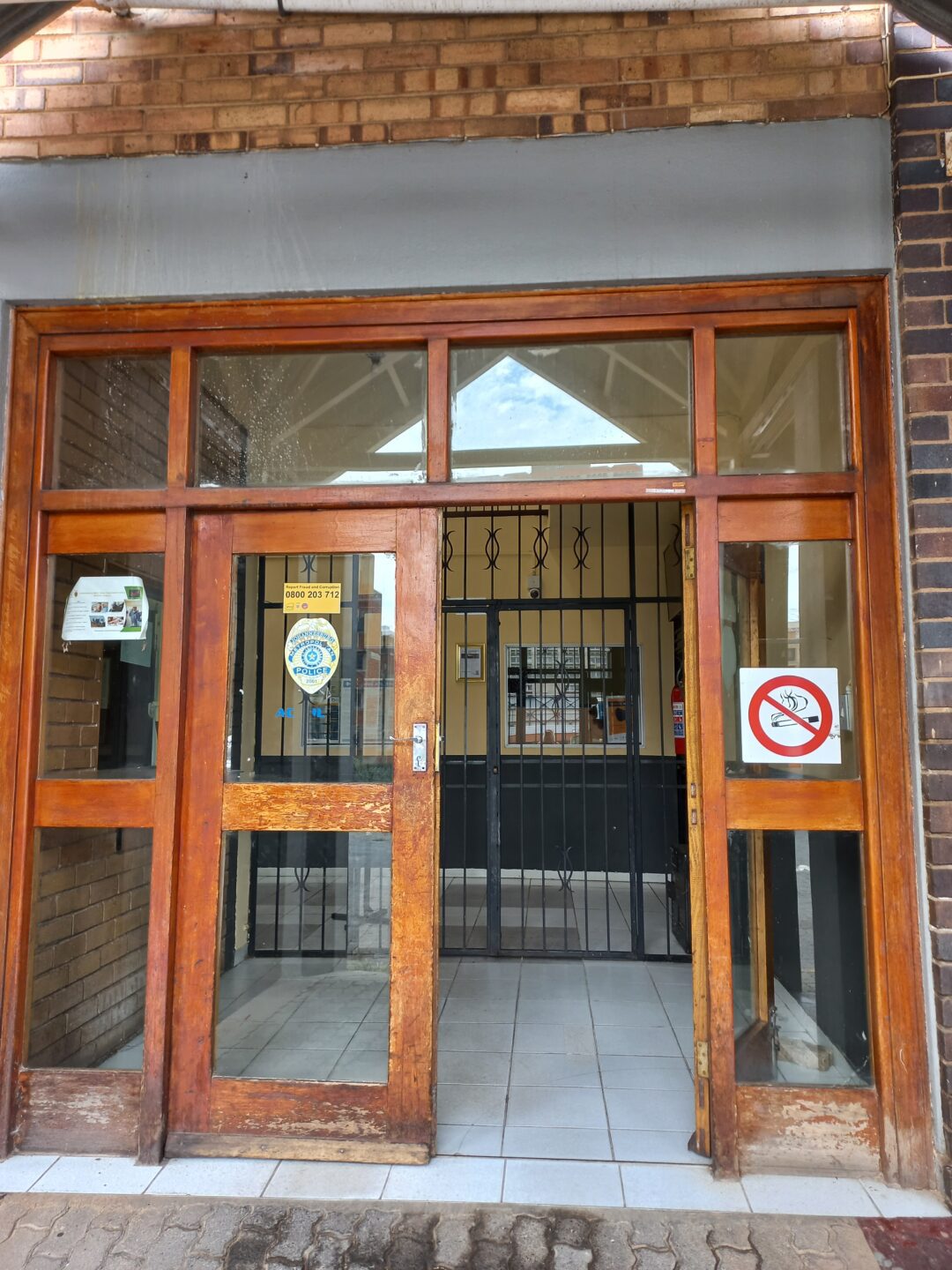
Membership of the BMSC declined in later years, likely due to the impact of the Group Areas Act, and the centre closed in 1971. The West Rand Administration Board moved into the building in 1973, and it is currently occupied by the Johannesburg Metro Police as part of their headquarters complex.
General Protection: Section 34(1) Structures under the National Heritage Resources Act, 1999.
A culmination of research gathered over many years, the Online Johannesburg Heritage Register is being launched on Nelson Mandela Day 18 July 2025.
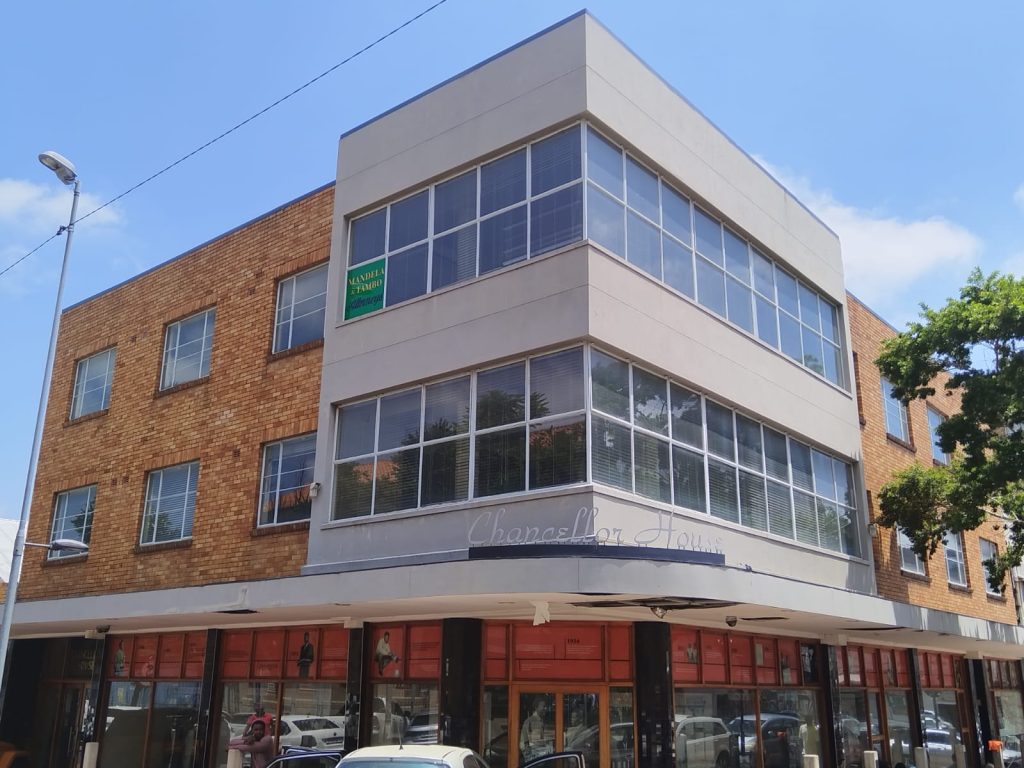
Among the many heritage sites featured is Chancellor House, the downtown offices of Mandela and Tambo Attorneys in the 1950s. After having been vacant and shuttered for more than a decade, this iconic building is being revived and brought to life once again as offices for the Community Development Department, which oversees the City’s Arts, Culture & Heritage Services.