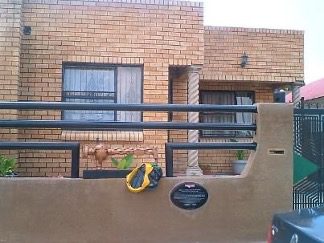
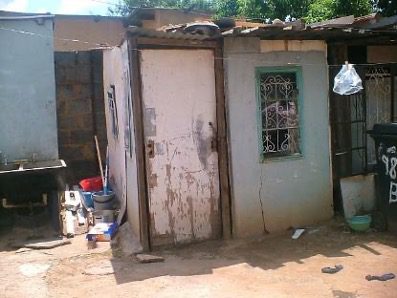
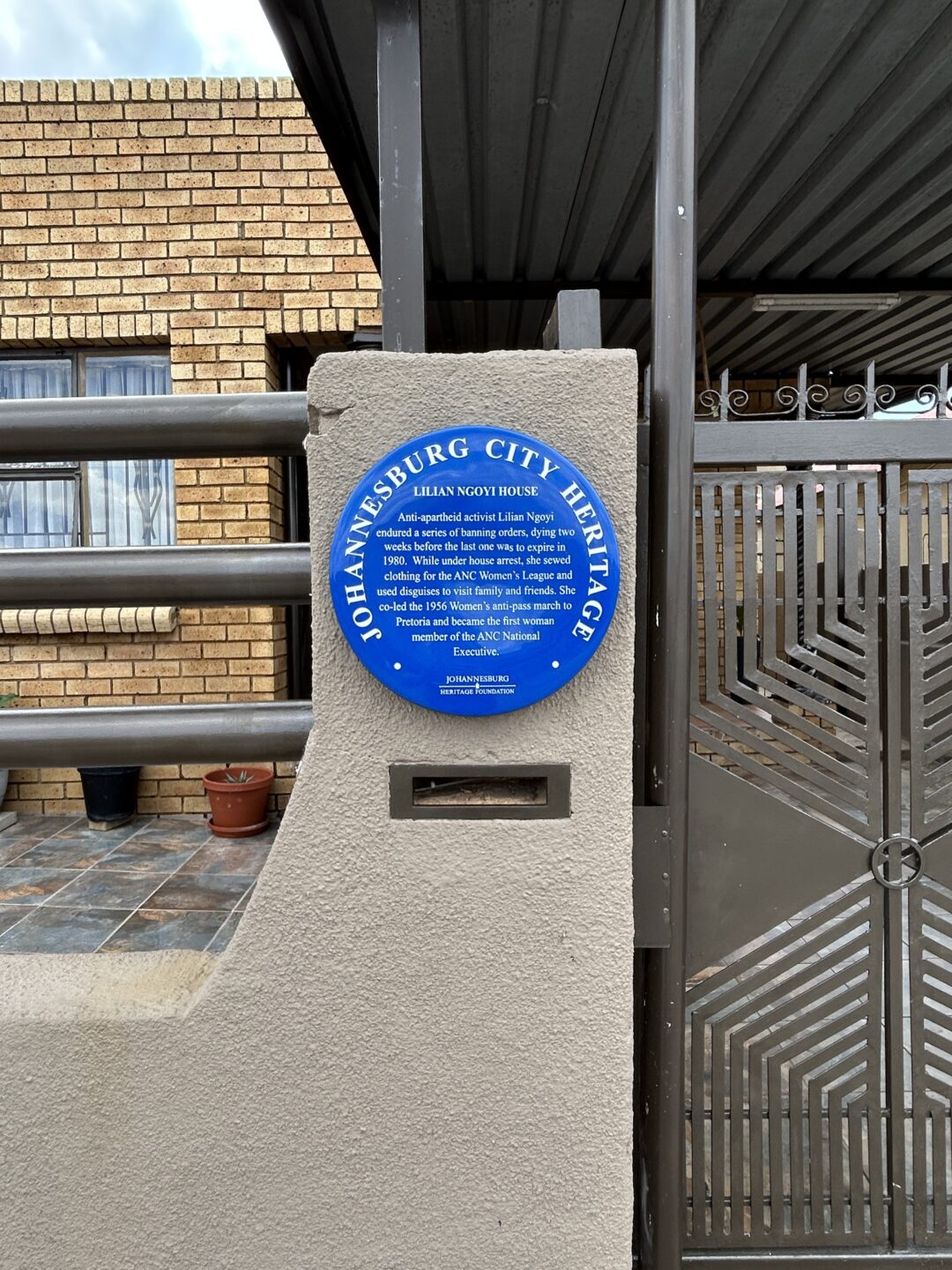
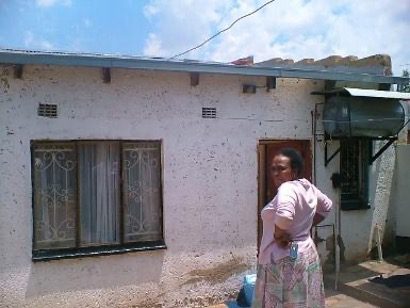
It is a newly renovated 3-bedroom light brown face brick house, with an inside bathroom and toilet. It has a double structure attached to the next-door neighbour. The significant shack in which Lilian Ngoyi used to sew is still intact, and has been previously used as an extra dwelling. It is now used as a storage space for some of the materials that used to be in her house. There are a number of significant artefacts, like her stove, her tables and chairs, her kitchen utensils and other goods stored in this shack. All these are of great significance since they shed some light on Ngoyi’s day-to-day life.
It is in this house that the unionist and political activist Lilian Ngoyi, widely known as MaNgoyi, was confined when under house arrest by the then apartheid government. Ngoyi, together with her mother Annie, daughters, Memory and Edith, stayed in Shanty Town, Evaton until they moved to this house in the early 1950s.
For 16 years, Ngoyi was banned from attending and participating in any social or political gatherings. For almost two decades, she was under house arrest, becoming the person who spent the longest period under house arrest. A former machinist in a clothing factory, she used most of her time sewing clothes on her machine and writing letters.
Although she was banned from attending any social gatherings, Ngoyi, as remembered by her only surviving daughter Memory Mphahlele, used to host parties, wear disguises, leave the house to attend funerals and visit various political figures under the nose of the then South African Police surveillance.
Ngoyi died of a heart complication two weeks before her last banning order was due to expire. At the time of her death in 1980, she was still staying in this house with her daughter Memory and the grandchildren.
She was born on 24 September 1911 in Pretoria and was blessed with only one daughter, Edith. She later adopted Memory when her mother died when she was only 8 days old. Ngoyi was the first woman to serve on the National Executive Committee of the African National Congress (ANC). In 1952, she joined the Defiance Campaign against apartheid.
She is widely known for being one of the heroic women who led the march of 20 000 women to the then Prime Minister, JG Strydom, at the Union Buildings in 1956, protesting against the extension of the pass systems to women. In 1956 she was arrested and charged with treason, along with 156 political leaders, including Nelson Mandela and Walter Sisulu. After that she was banned several times and refused to permission to leave the country. It was in July 1975 that she received another 5 years, totalling 18 years, the longest house arrest ever imposed on anyone in South Africa. A qualified nurse, for 18 years, she stayed in this tiny house, with no work, just sewing to make a living for her children.
A sculpture of a sewing machine made from car parts is fixed to the wall of her house. The sculpture by artist Stephen Maqashela was erected in 2006 as part of the Sunday Times Centenary Heritage Project.
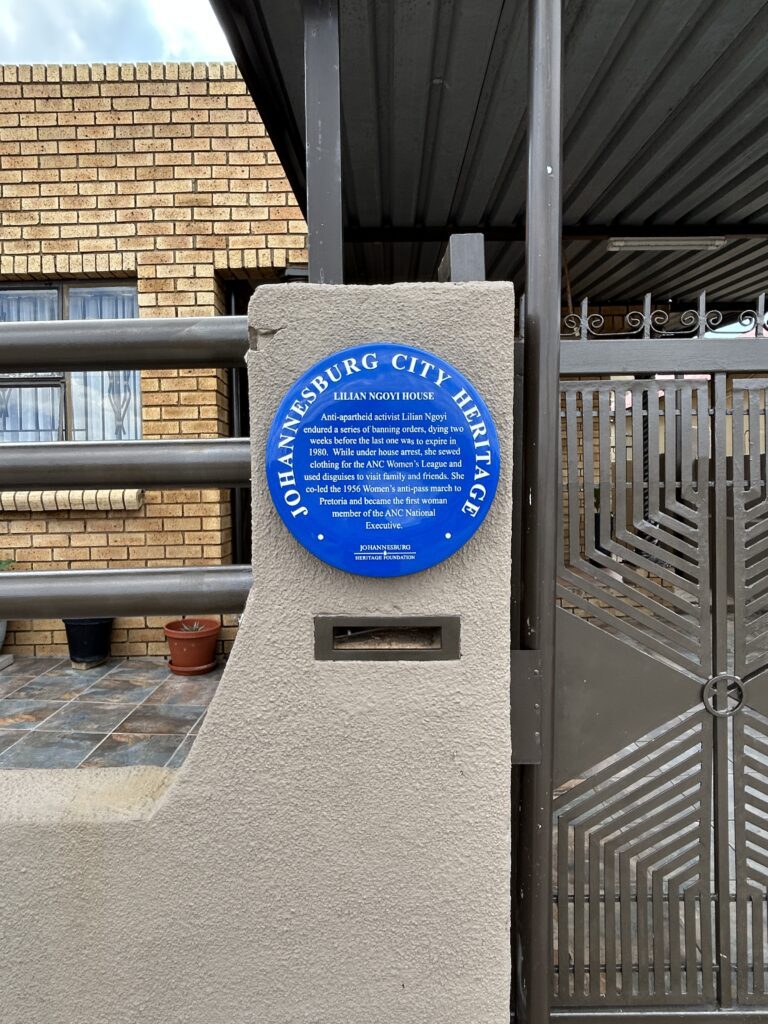
NHRA: Provisional Protection status, July 2011.
A culmination of research gathered over many years, the Online Johannesburg Heritage Register is being launched on Nelson Mandela Day 18 July 2025.
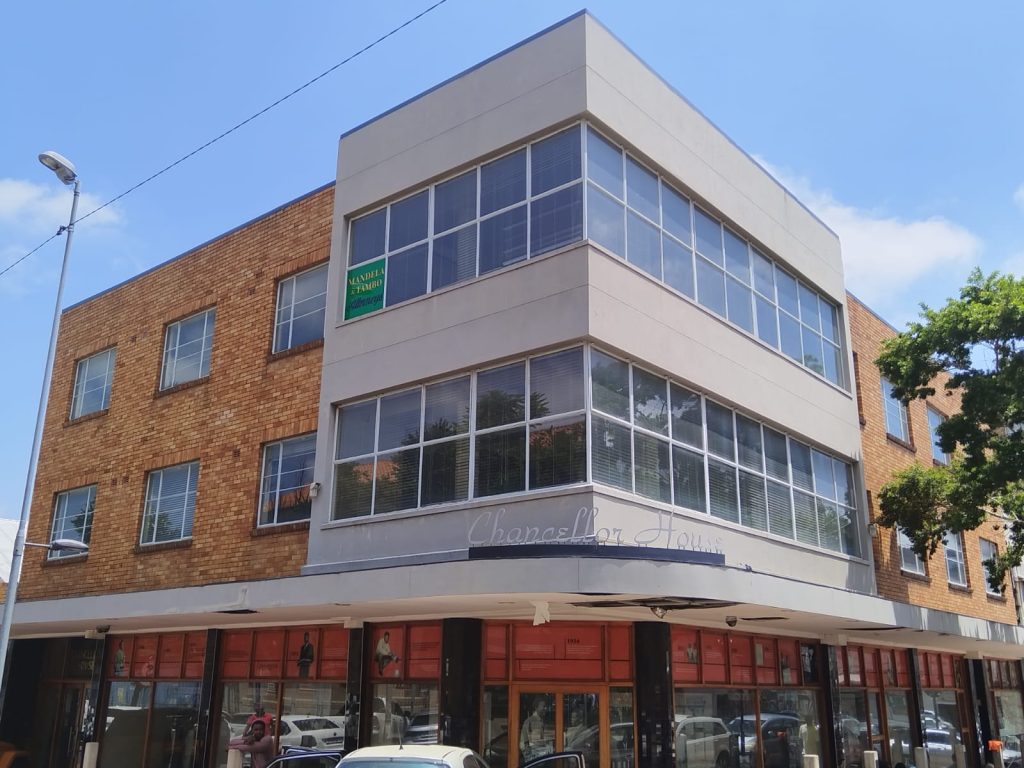
Among the many heritage sites featured is Chancellor House, the downtown offices of Mandela and Tambo Attorneys in the 1950s. After having been vacant and shuttered for more than a decade, this iconic building is being revived and brought to life once again as offices for the Community Development Department, which oversees the City’s Arts, Culture & Heritage Services.