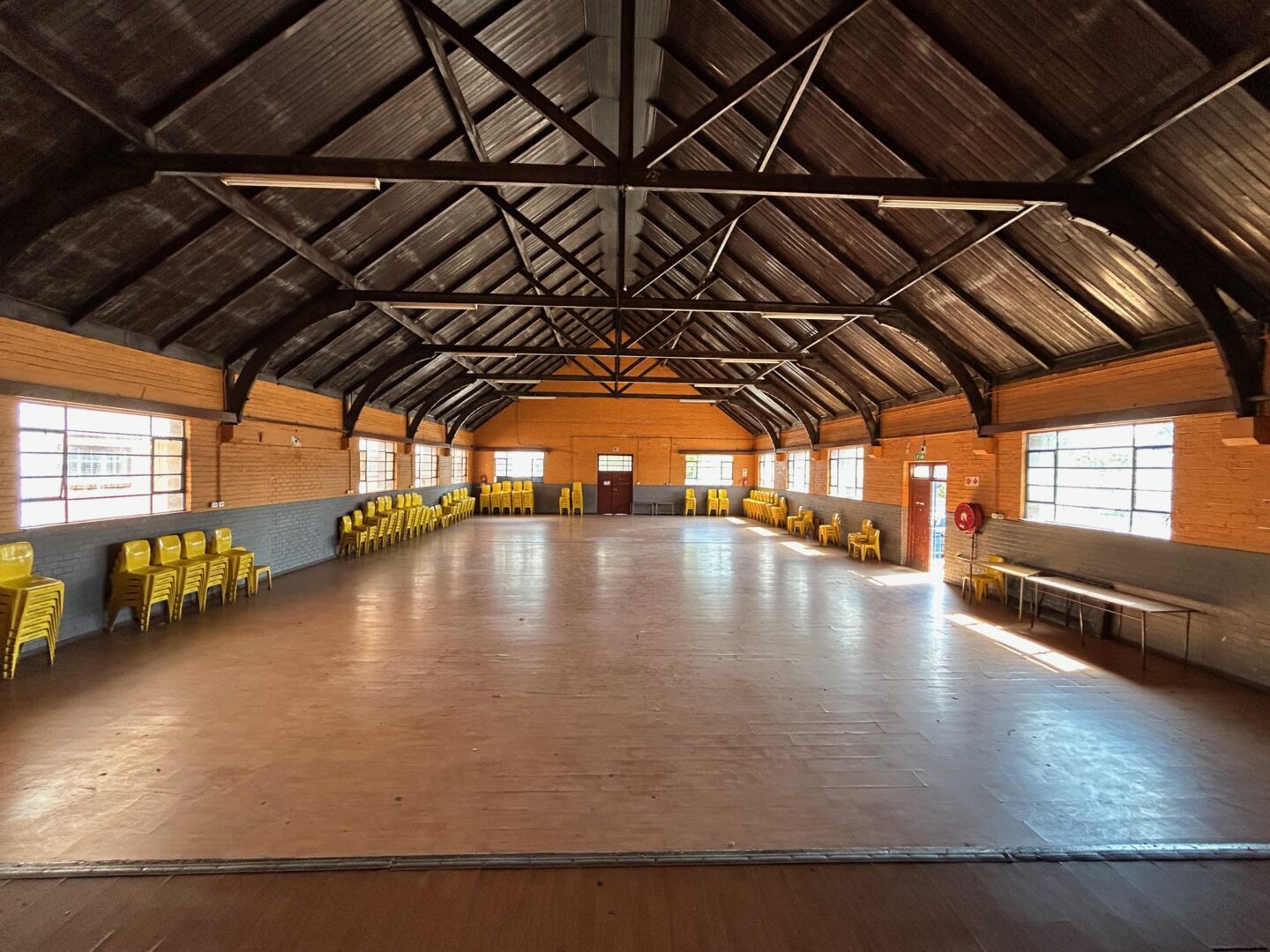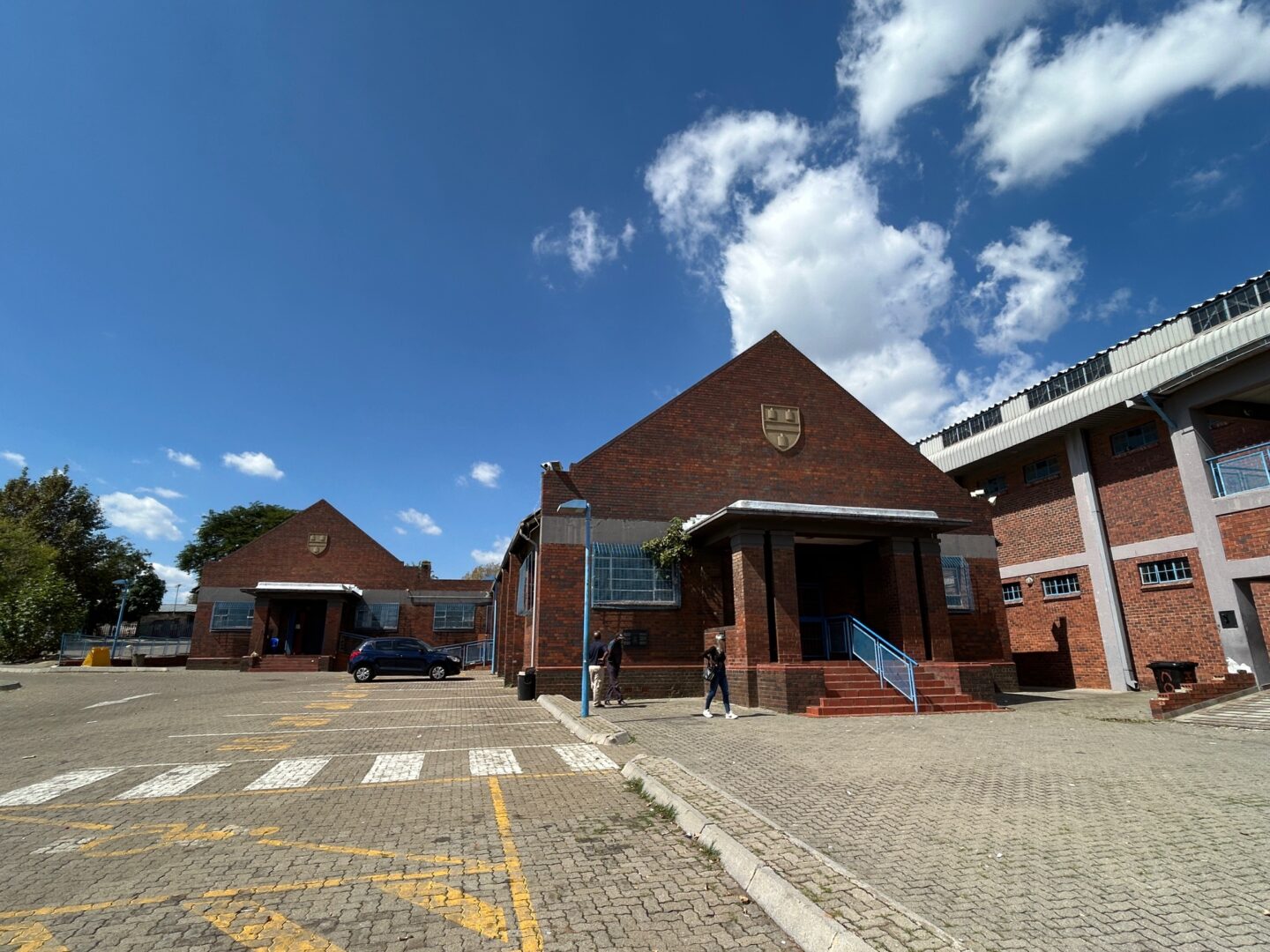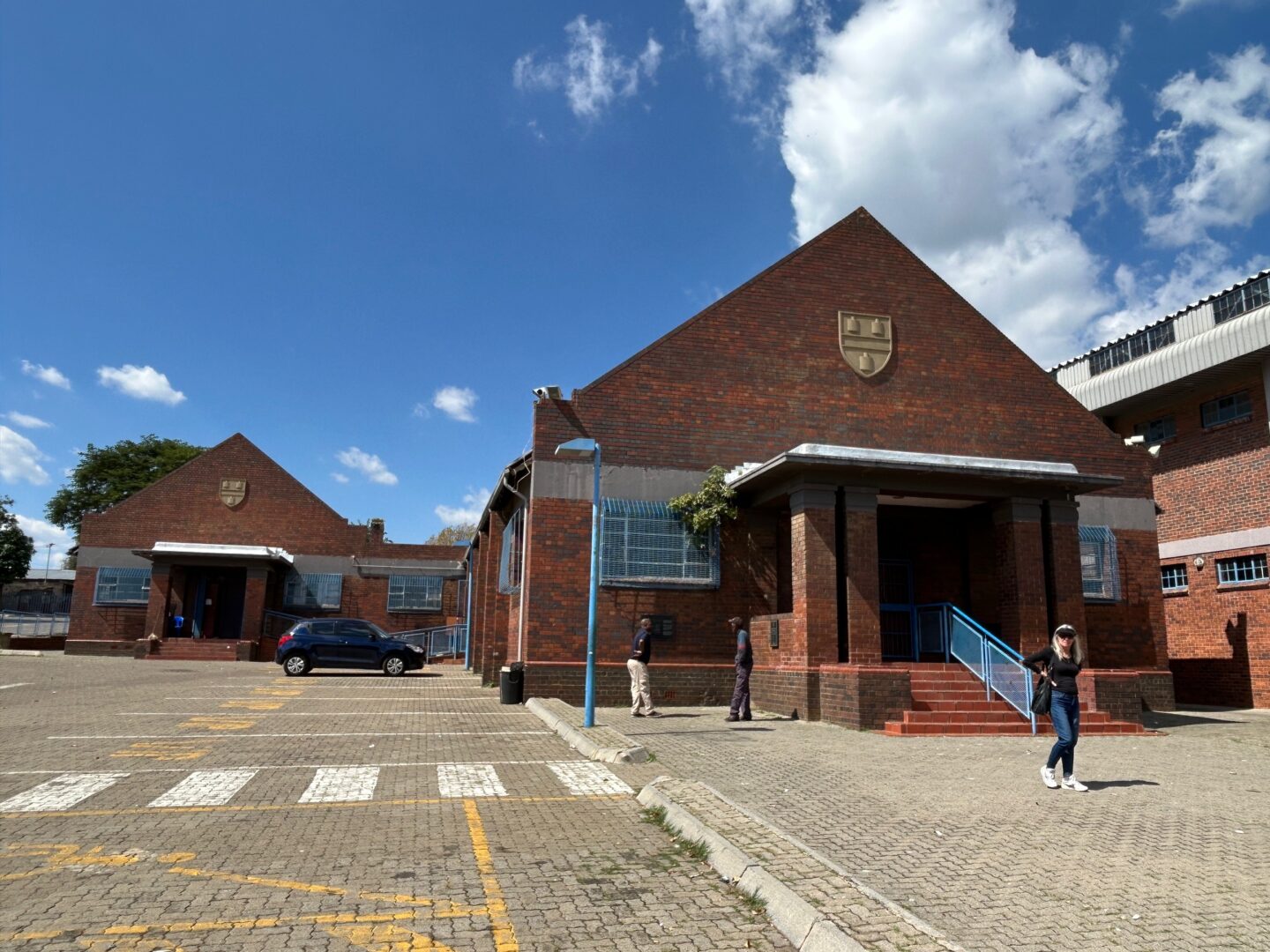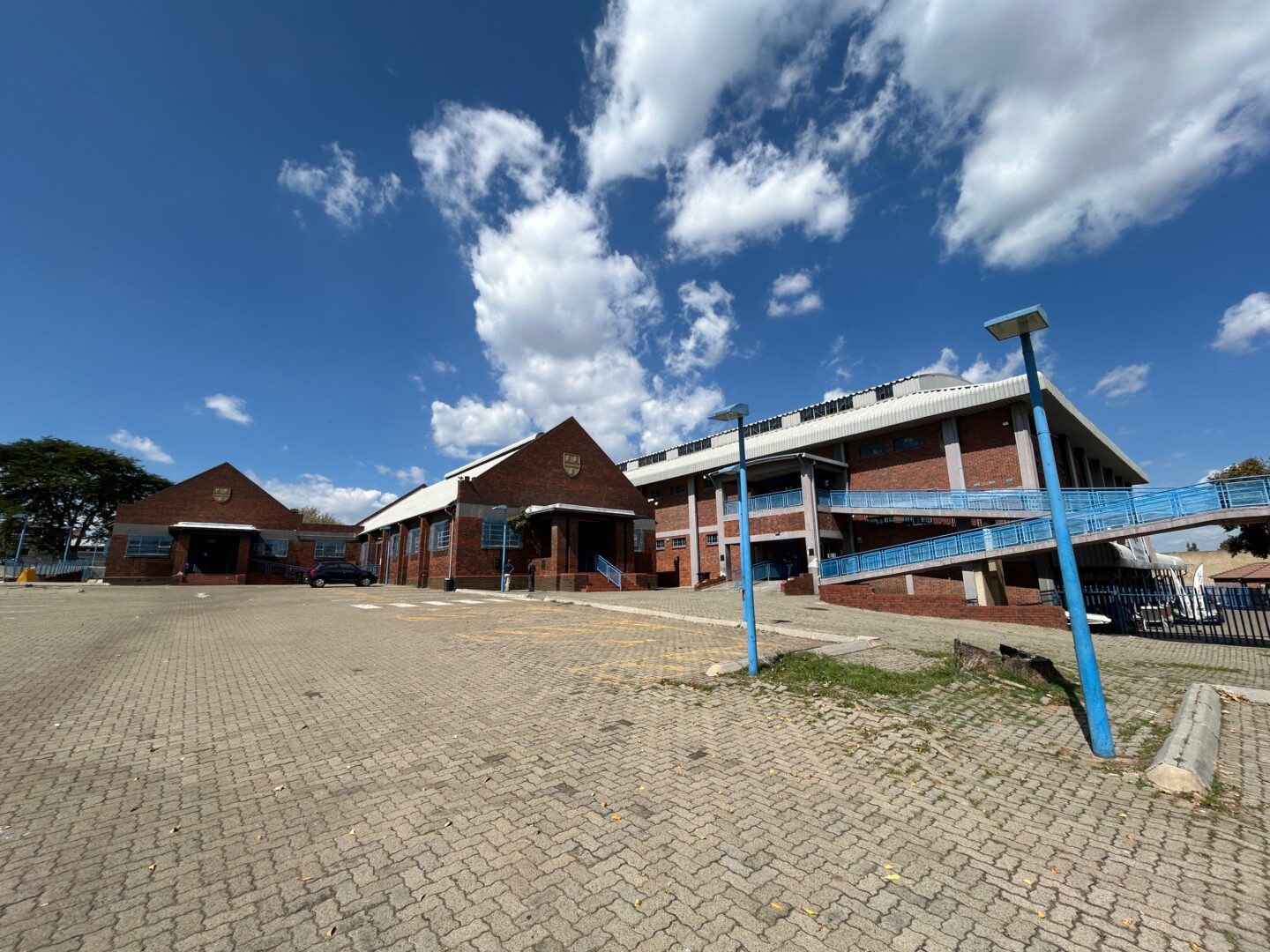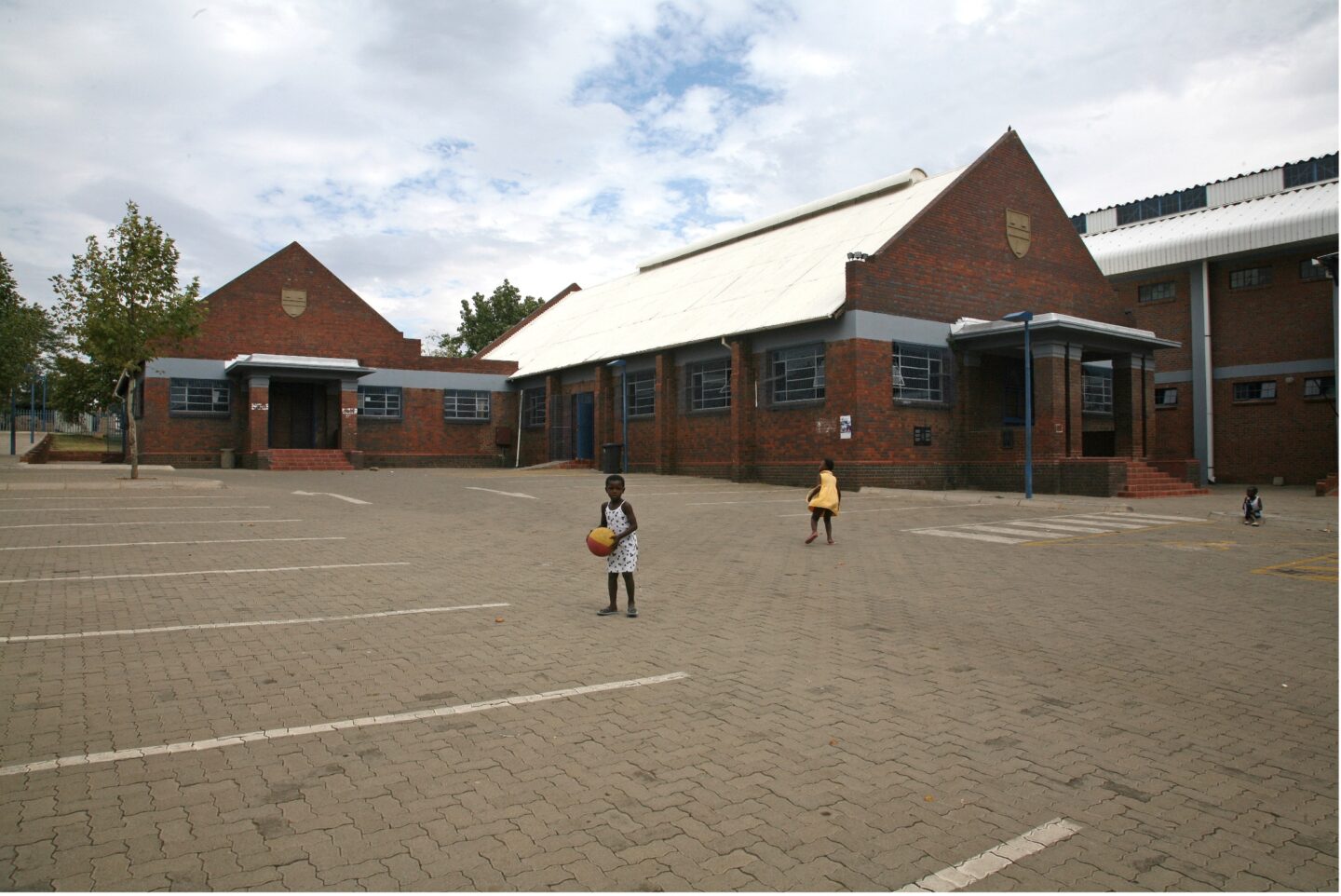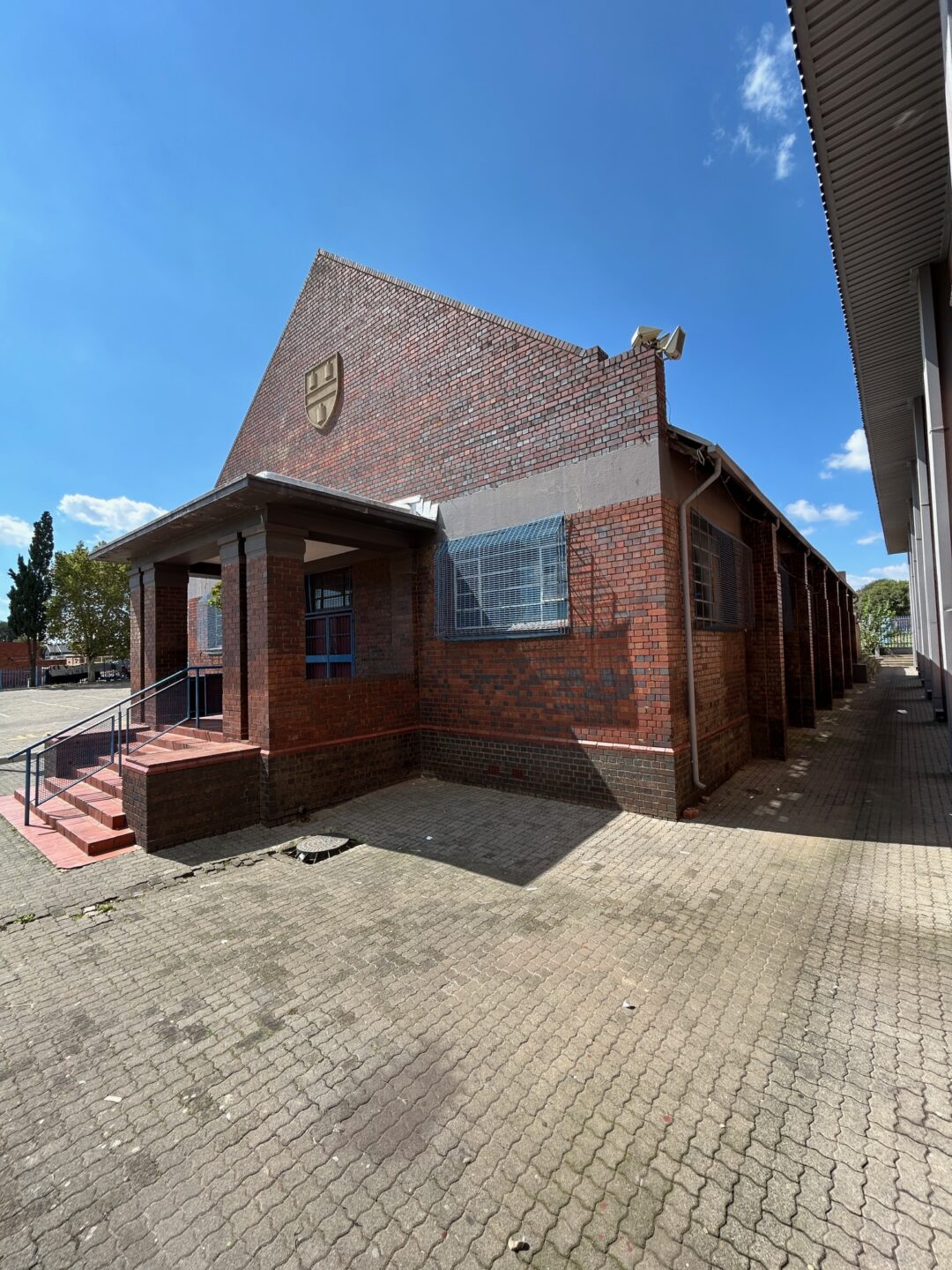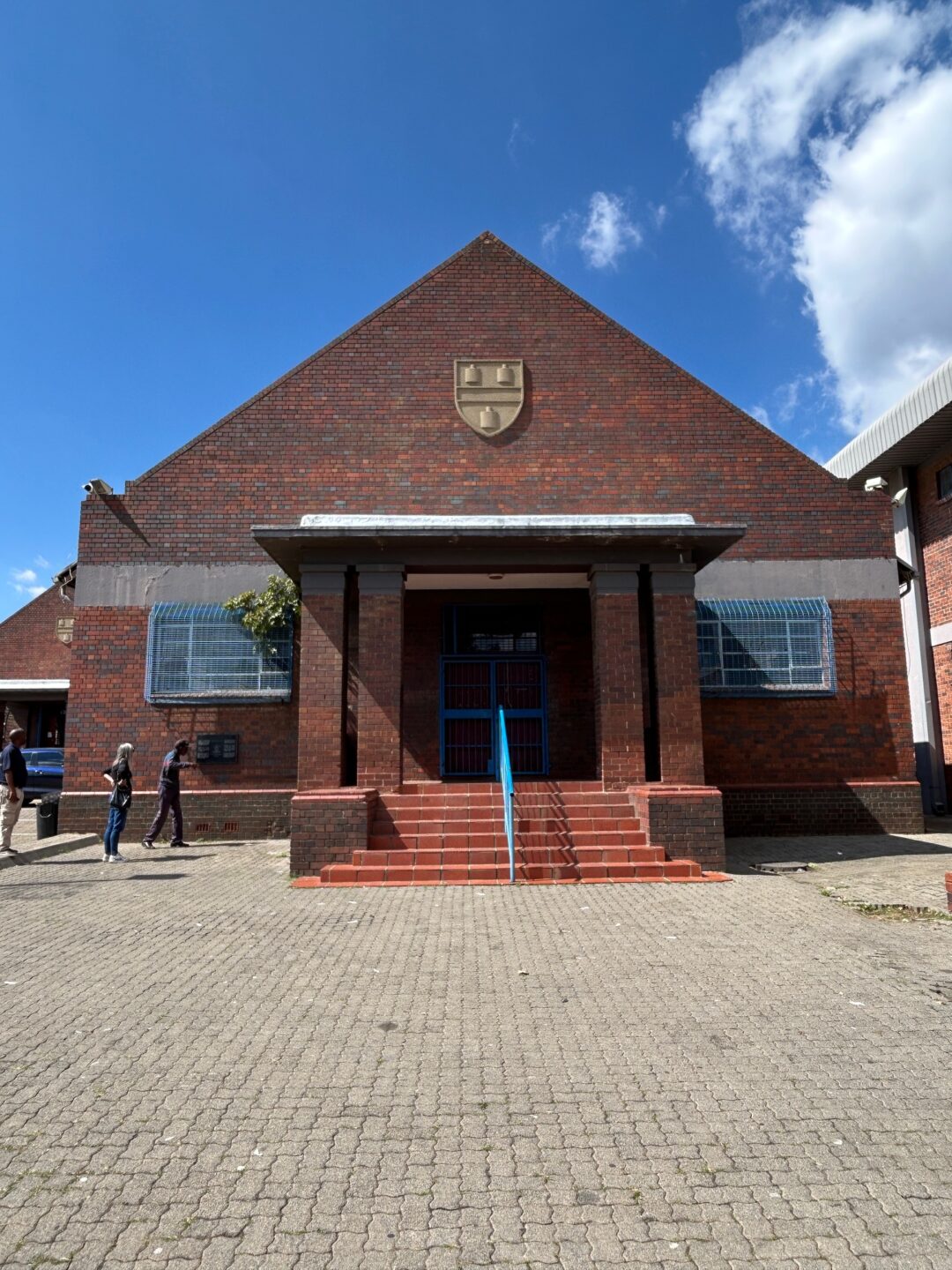
The original Orlando Community Hall contains a main hall and a side hall linked together to form an L-shaped complex. Each of the halls has a portico in front supported by pillars on each side. The old Johannesburg coat of arms featuring a set of three stamps is prominently displayed on the front gable of each of the halls.
As well as a larger and smaller hall, the complex includes an office and conference room, a small kitchen, storeroom, eight toilets and two change rooms.
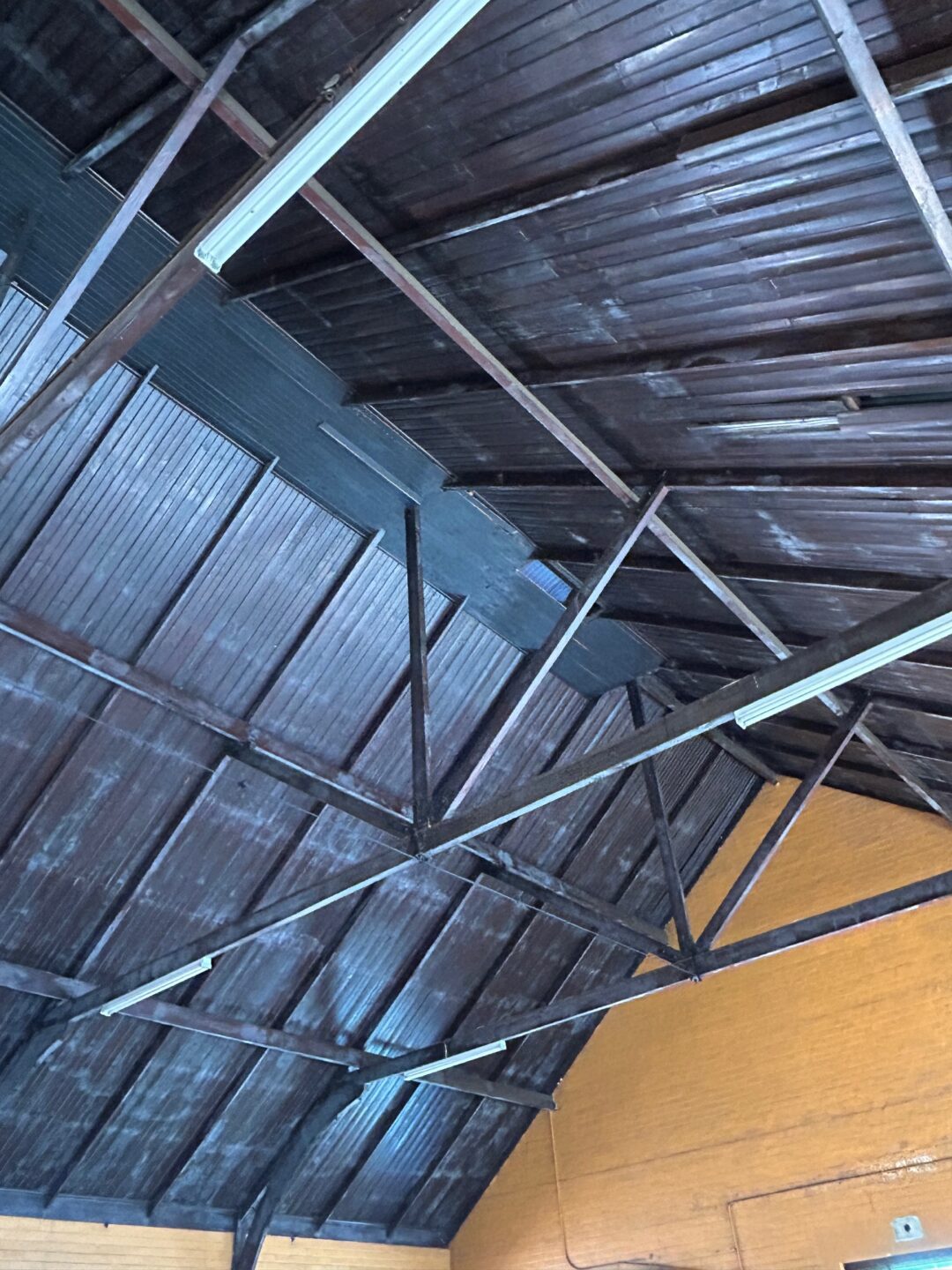
The structure is well designed and constructed in English bonded face brick with 45 degree pitched gable ended corrugated iron roof sheets.
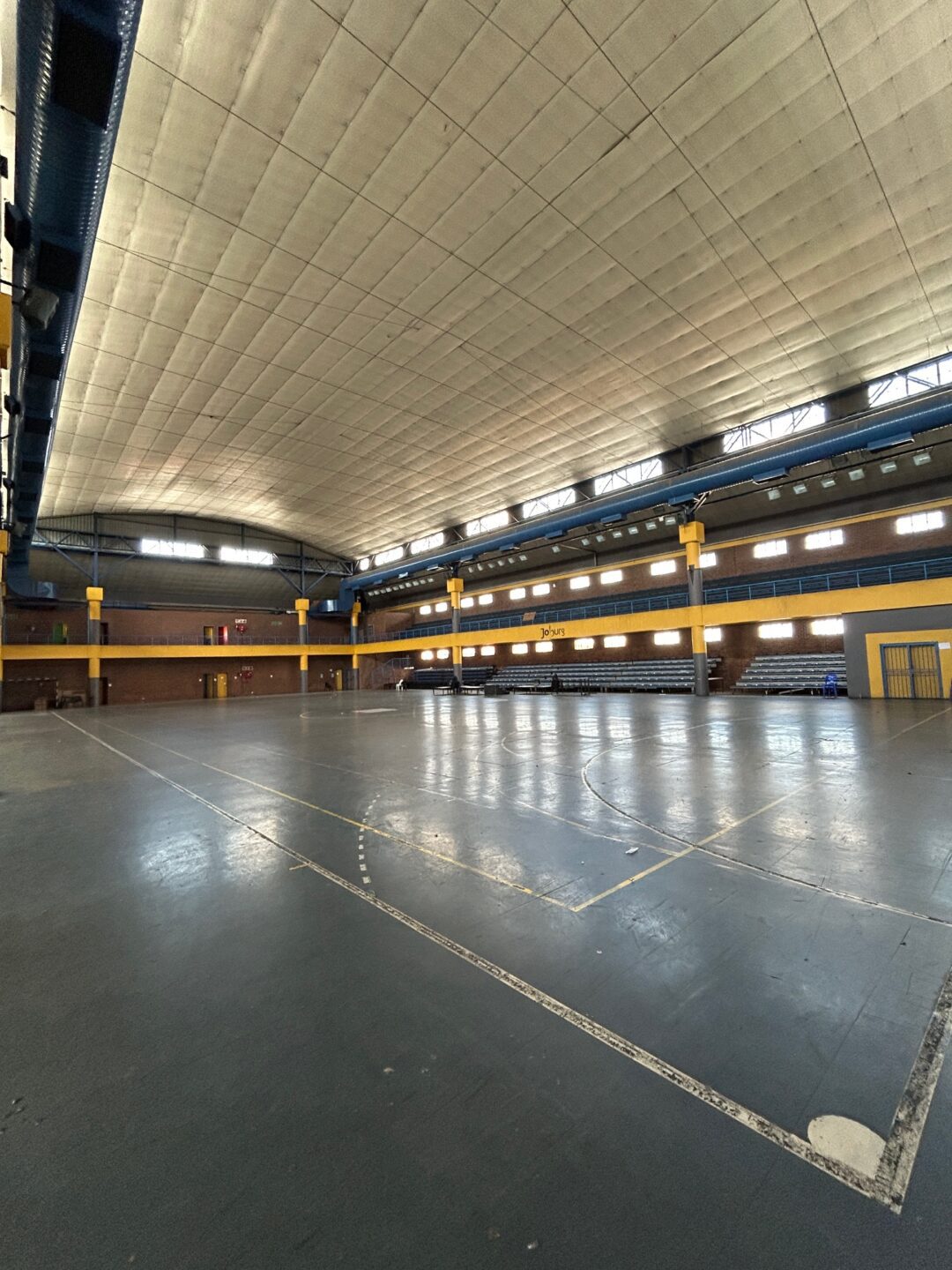
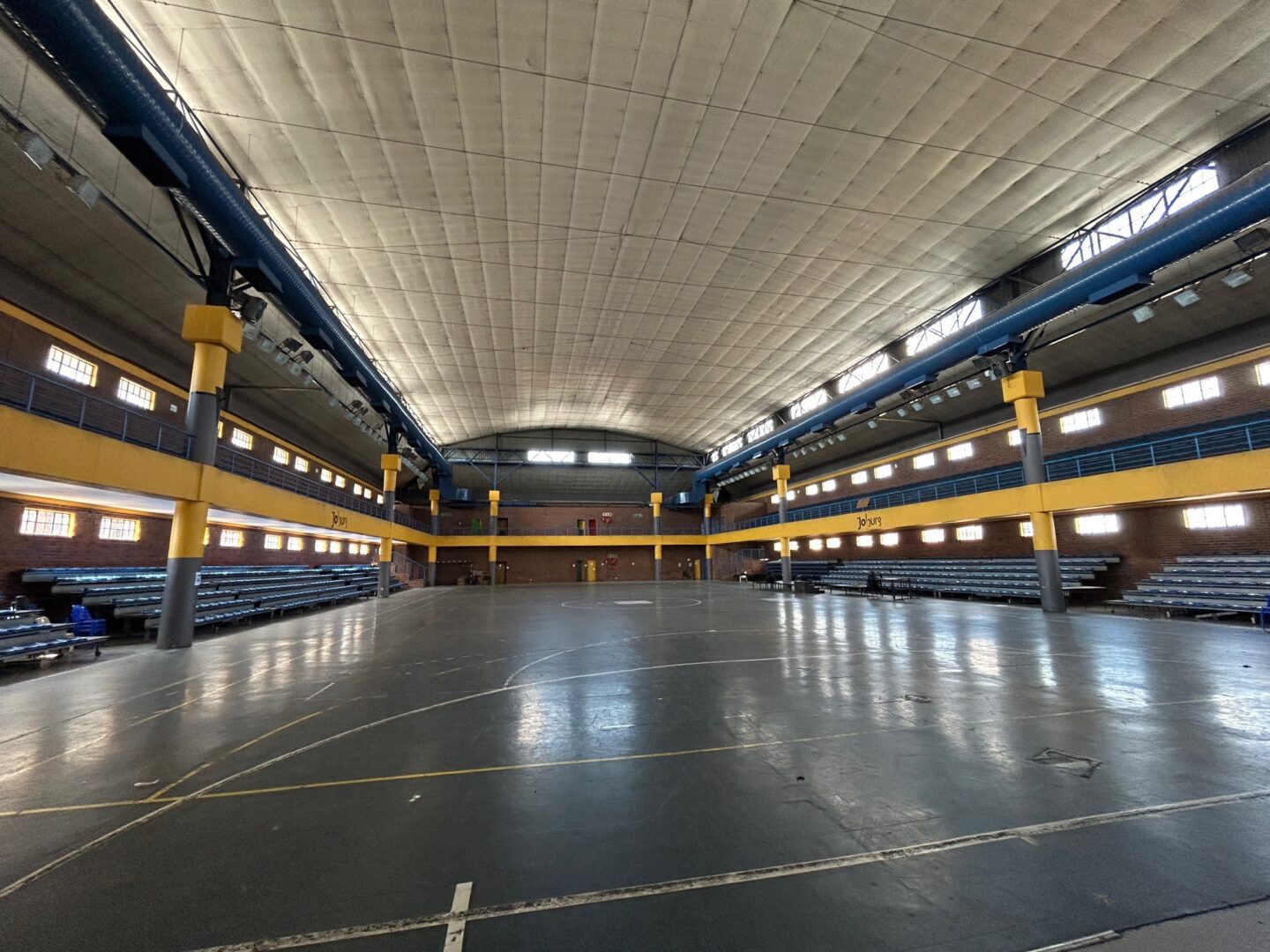
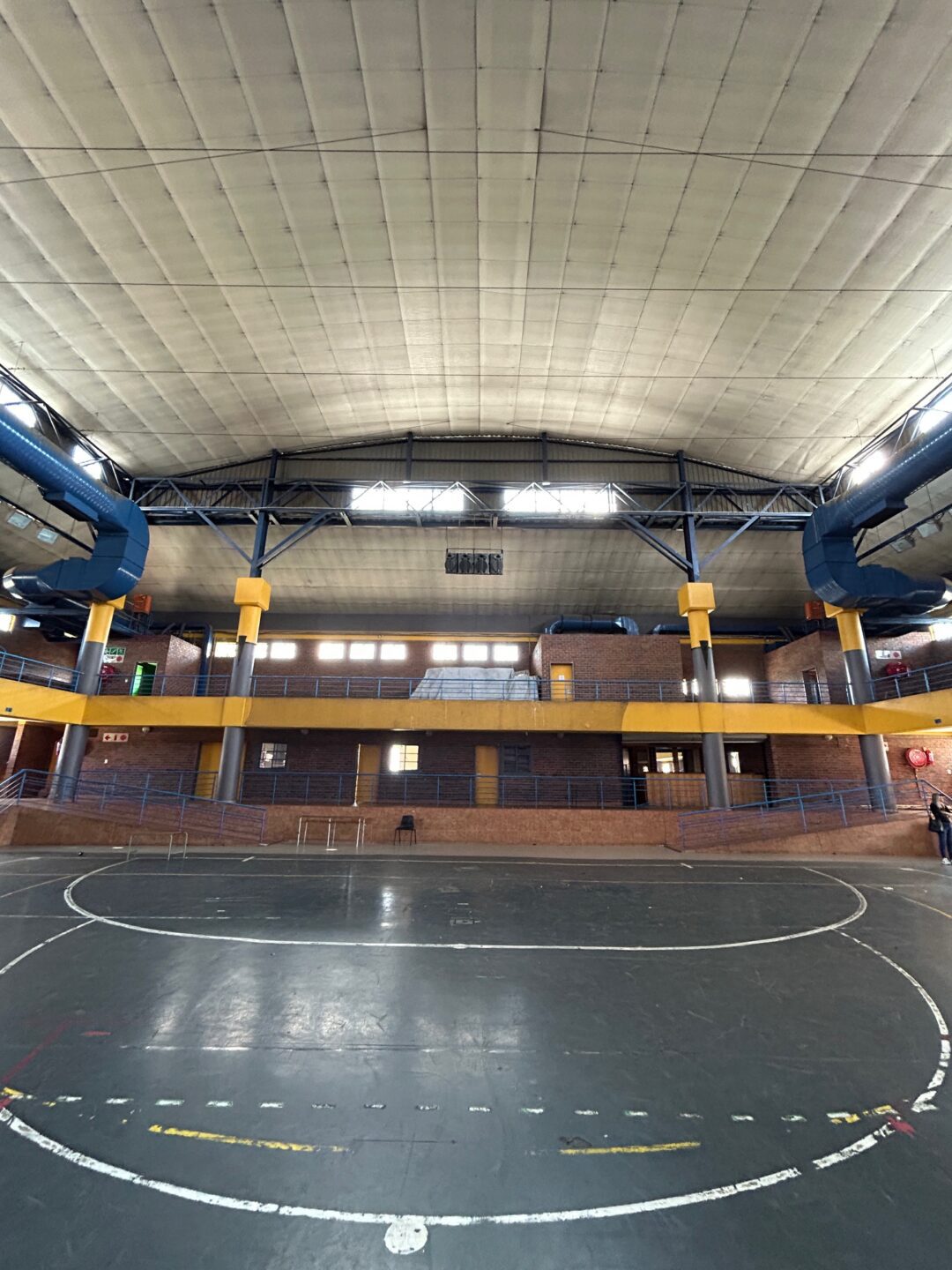
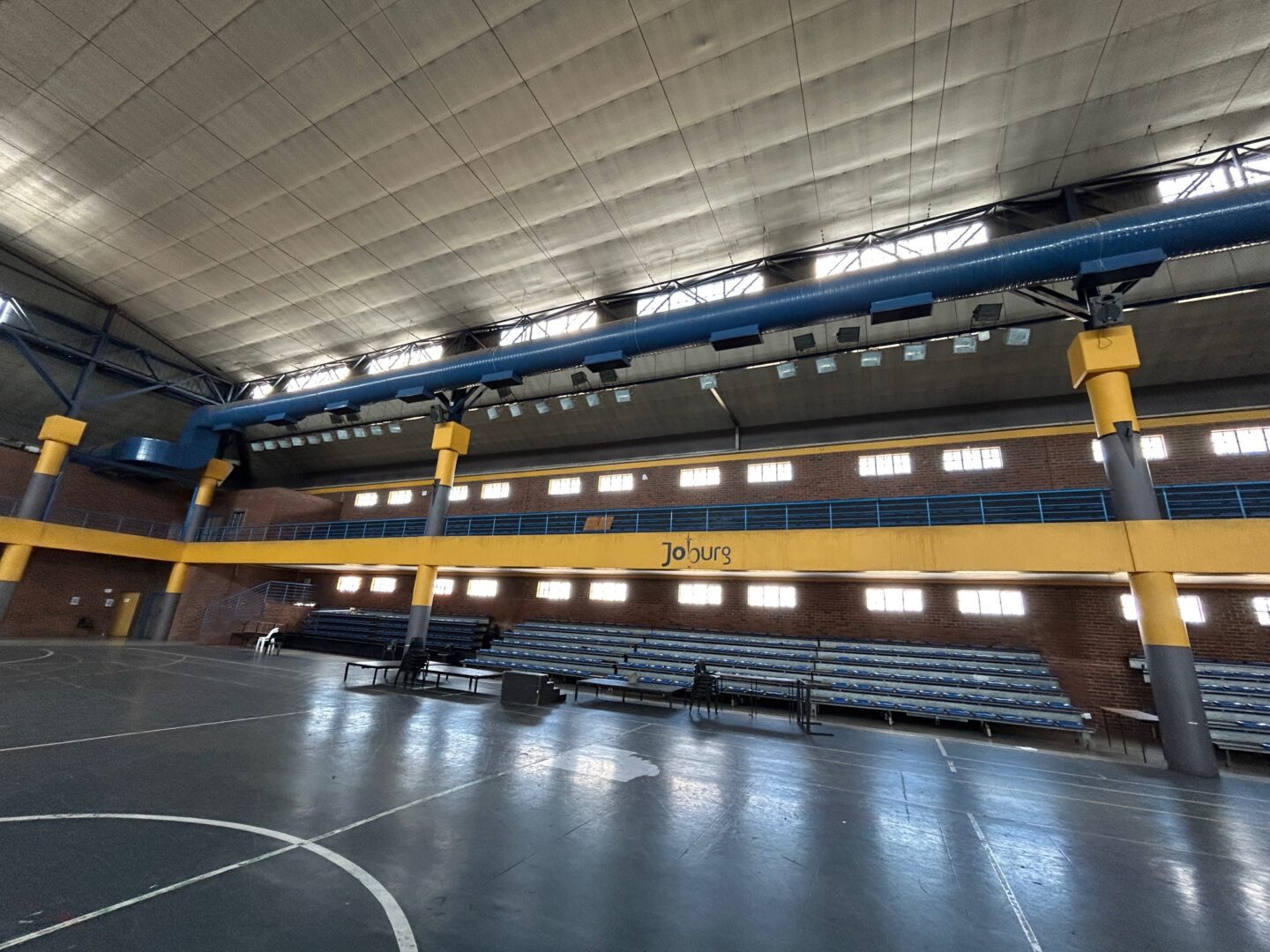
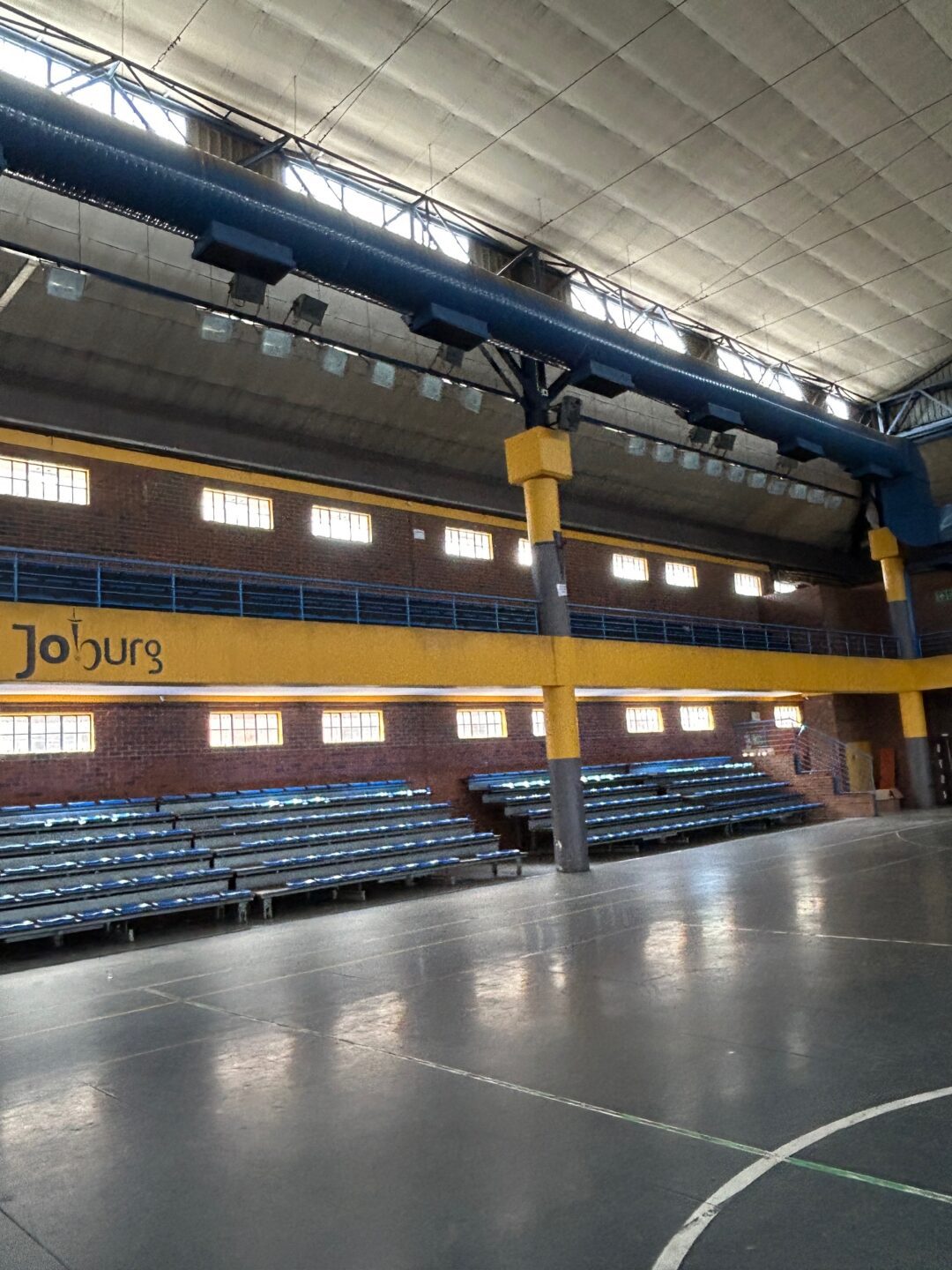
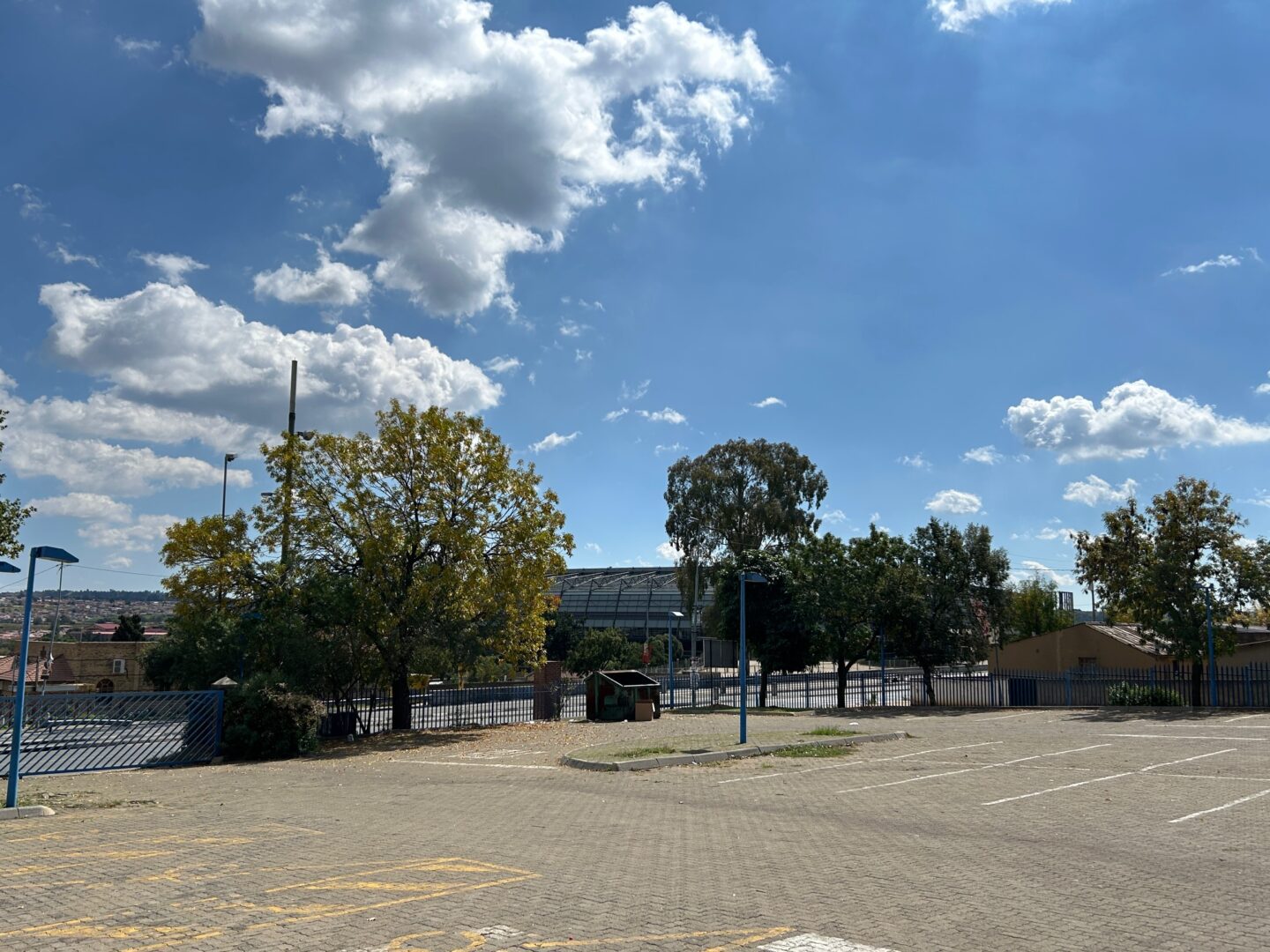
Standing alongside the historic hall on the northern side is a large modern multi-purpose hall completed in 2004. Also named the Orlando Community Hall, the new building forms part of the same complex.
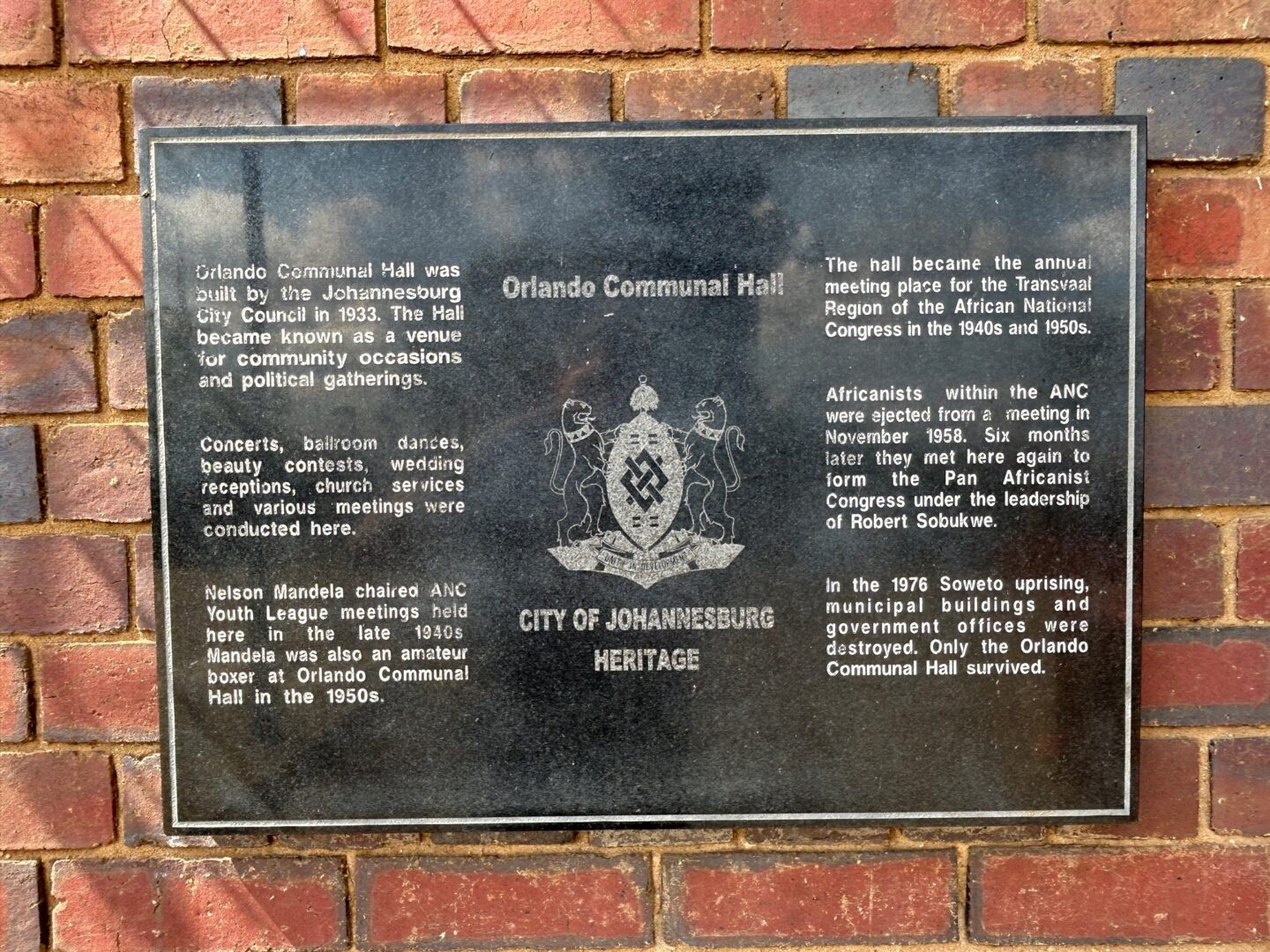
The Orlando East Community Hall was built in 1933 by the Johannesburg City Council for the Non-European Affairs Department. The Hall was built to cater for the community and recreational needs of residents of Orlando, newly established as the first suburb of what was to become Soweto, and was the only such facility in the vicinity at the time.
The Hall became known as a venue for political meetings, concerts and community occasions. Ballroom dances, weddings receptions, school functions, funerals and church services were held there. Jazz groups from Johannesburg and neighbouring towns performed at the Hall. A municipal brass band was stationed at the Orlando Hall in the 1950s and used to entertain Soweto residents. For many years, film shows aimed at youth were held free of charge every Monday, hosted by the City Council. In addition, feeding schemes were run from the Hall.
In 1947 the British Royal family were hosted at the Orlando Hall when they visited South Africa, then part of the Commonwealth. Among the royal party were King George V, the Queen Mother, the late Queen Elizabeth and her sister the late Princess Margaret.
Queen Elizabeth celebrated her 21st birthday at the Hall on that occasion.
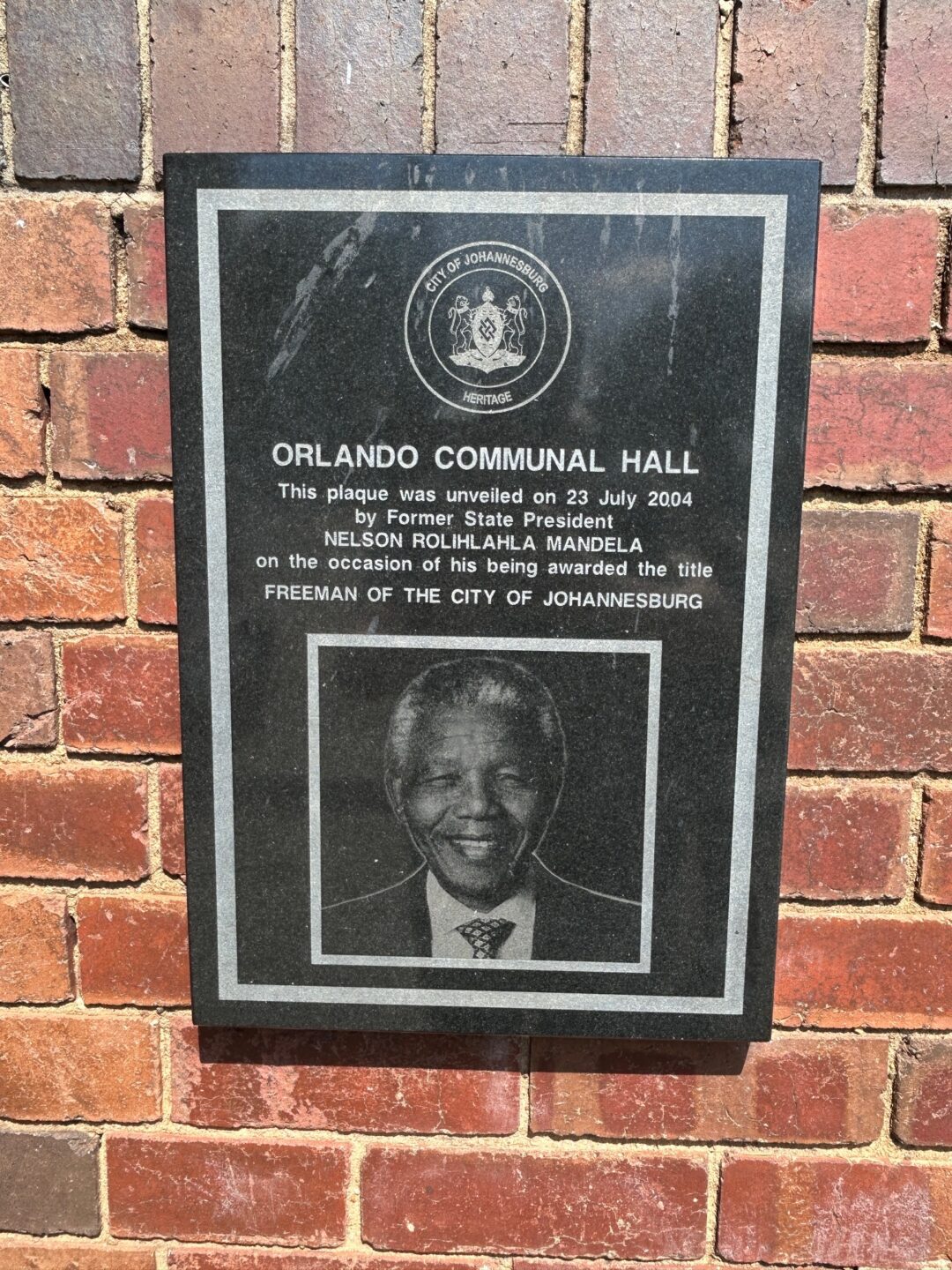
Nelson Mandela is remembered as having practised as an amateur boxer at the hall during the 1950s. Mandela trained with the late Jerry Mo loi. He is also claimed to have been a bouncer at the Hall whenever concerts were held.
High-profile political gatherings were held at the site for many years. During the late 1940s, it served as the venue for the ANC Youth League under the leadership of Nelson Mandela, Walter Sisulu and Oliver Tambo. Annual meetings of the Transvaal Region of the ANC were held at the Hall during the 1940s and ‘50s.
In November 1958 Africanists within the ANC were ejected from a meeting of the Transvaal region of the organization. This followed a scuffle at a stormy meeting chaired by Oliver Tambo.
Realising that they would not be in a position to displace the ANC leadership, the Africanists decided to break away and form their own organization. In April 1959, six months after they had been ejected from Orlando Hall, they returned to the site to launch the Pan Africanist Congress (PAC) under the leadership of Robert Sobukwe. PAC anniversaries have since continued to be held at the Orlando Hall where the organization was founded.
During the Soweto Uprising of 1976, municipal buildings such as the City Council’s Orlando offices and Orlando East bottle store were burnt down. The Orlando East Community Hall was however left untouched. The City Council’s administration offices were then relocated to the Hall, as they had no other accommodation until their offices were re-built in 1986.
Some local youth gave the Hall the nickname of “The Parliament”. This is said to refer to the pillars outside the building. The name could also relate to the role of the site as an alternative center of power during the apartheid period.
In more recent years the Orlando hall was partly overtaken by the development of other venues able to accommodate large gatherings. Nevertheless, it continued to be used for smaller community events, wedding receptions, school occasions and church services, as well as for the provision of social services to the aged.

Provisional Protection status under the National Heritage Resources Act, 1999. Gauteng Provincial Gazette Extraordinary , vol 17, no 213 of 15 S eptember 2011. Notice 2403 of 2011.
A culmination of research gathered over many years, the Online Johannesburg Heritage Register is being launched on Nelson Mandela Day 18 July 2025.
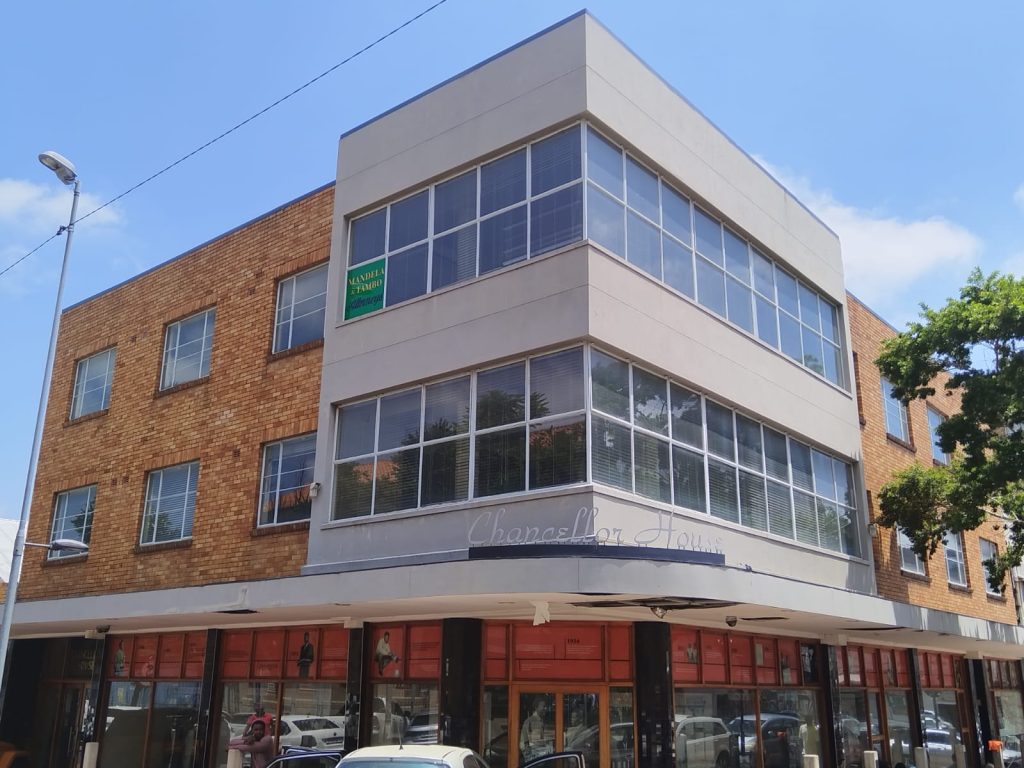
Among the many heritage sites featured is Chancellor House, the downtown offices of Mandela and Tambo Attorneys in the 1950s. After having been vacant and shuttered for more than a decade, this iconic building is being revived and brought to life once again as offices for the Community Development Department, which oversees the City’s Arts, Culture & Heritage Services.